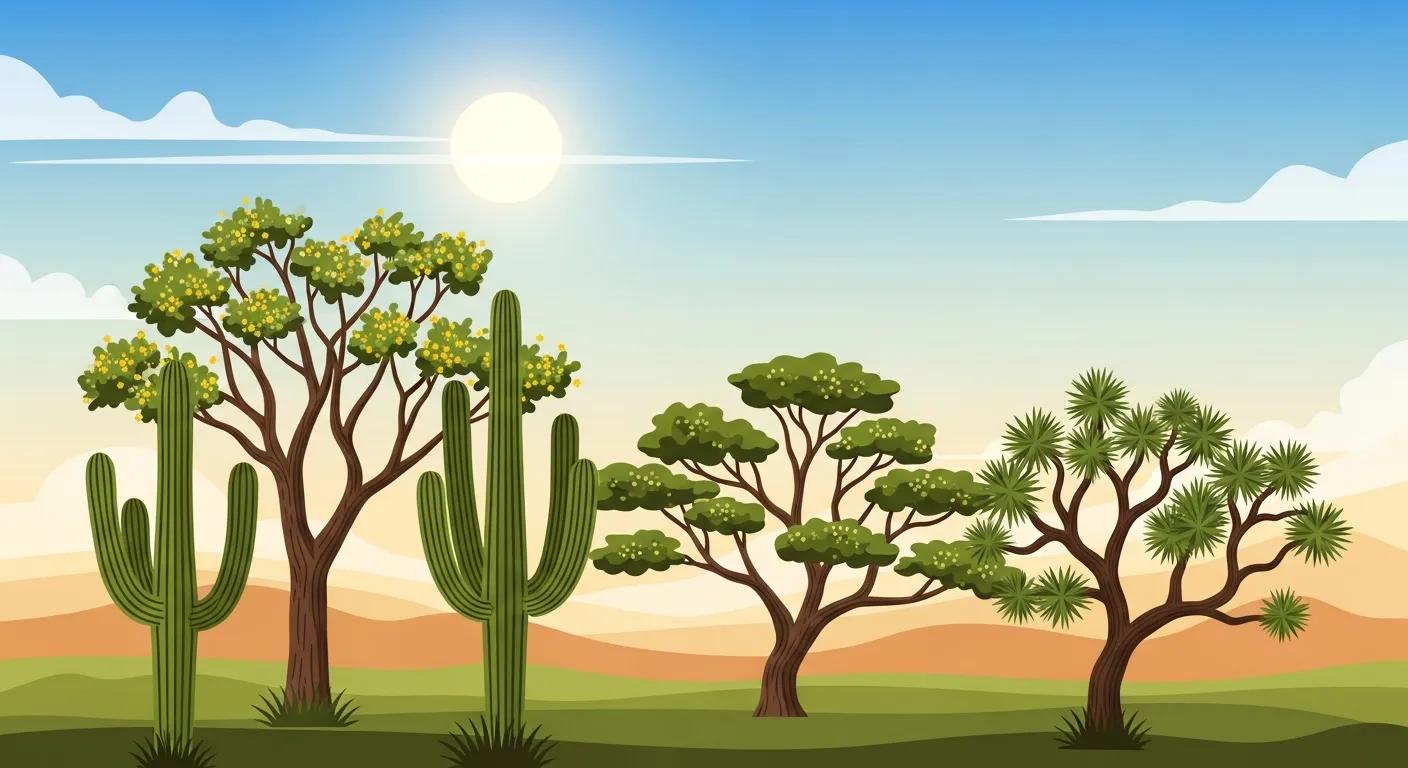
Benefits of Planting Native Arizona Trees
Grow Smart: Native Arizona Trees
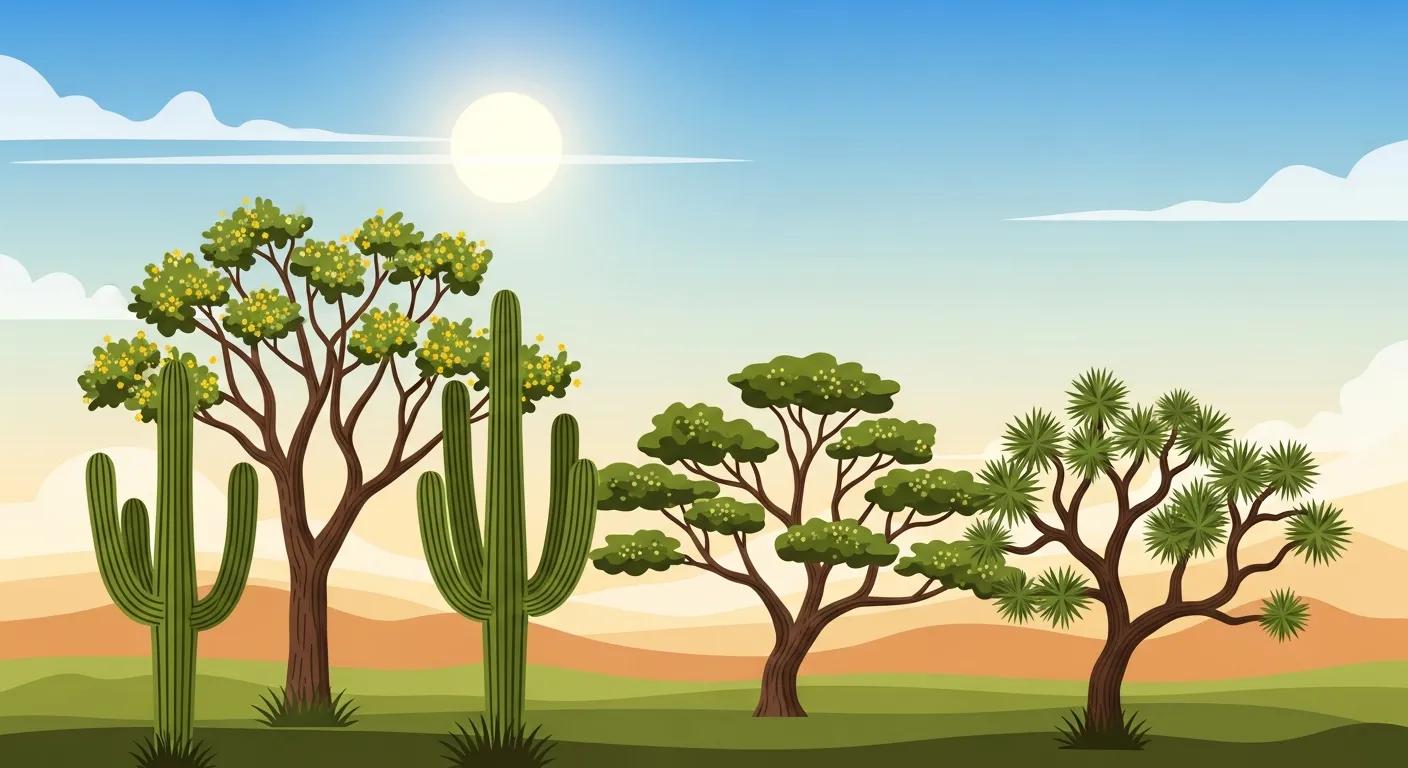
Planting native Arizona trees offers a multitude of benefits that align with sustainable landscaping practices. These trees are not only well-adapted to the local climate but also play a crucial role in conserving water and supporting local ecosystems. In this guide, we will explore the advantages of incorporating native trees into your landscaping, focusing on their drought tolerance and ecological contributions. Many homeowners in Arizona face challenges related to water scarcity and the need for resilient landscaping solutions. By choosing native species, you can create a beautiful, low-maintenance landscape that thrives in the desert environment. This article will cover the best native trees for Phoenix, their water conservation benefits, ecosystem advantages, and how Arbor Barber Tree Services can assist with planting and care.
Which Native Arizona Trees Are Best for Phoenix Landscaping?

When selecting trees for landscaping in Phoenix, it's essential to consider species that thrive in the local environment. Native Arizona trees are particularly suited for this purpose, as they have adapted to the region's climate and soil conditions. Some of the best options include:
- Palo Verde: Known for its vibrant green bark and yellow flowers, the Palo Verde is the state tree of Arizona. It is drought-tolerant and provides excellent shade.
- Mesquite: This tree is valued for its hardiness and ability to thrive in arid conditions. Mesquite trees also support local wildlife by providing food and habitat.
- Ironwood: With its dense wood and beautiful foliage, the Ironwood tree is another excellent choice for landscaping. It is highly drought-resistant and supports various bird species.
These native trees not only enhance the aesthetic appeal of your landscape but also contribute to water conservation and biodiversity.
What Are the Key Characteristics of Palo Verde, Mesquite, and Ironwood Trees?
Palo Verde, Mesquite, and Ironwood trees each possess unique characteristics that make them ideal for Arizona's climate.
- Palo Verde: This tree can grow up to 30 feet tall and features a broad canopy that provides ample shade. Its green bark allows it to photosynthesize even when it loses its leaves during dry periods, making it highly drought-resistant.
- Mesquite: Mesquite trees can reach heights of 20 to 30 feet and have a deep root system that allows them to access underground water sources. Their feathery leaves provide a delicate appearance while offering shade.
- Ironwood: Known for its slow growth, the Ironwood tree can live for over 150 years. It has a dense canopy and produces small, fragrant flowers that attract pollinators.
These characteristics not only make these trees resilient but also beneficial for the surrounding ecosystem.
How Do These Trees Support Local Wildlife and Ecosystems?
Native Arizona trees play a vital role in supporting local wildlife and maintaining healthy ecosystems.
- Habitat Creation: Trees like the Palo Verde and Mesquite provide essential habitats for various bird species, insects, and small mammals. Their canopies offer shelter and nesting sites.
- Food Sources: The flowers and pods of these trees serve as food for many animals, including birds and insects. This food source is crucial for sustaining local wildlife populations.
- Biodiversity Support: By planting native trees, homeowners contribute to the overall biodiversity of the area. These trees support a range of species, promoting a balanced ecosystem.
The presence of native trees enhances the ecological health of urban areas, making them more resilient to environmental changes.
How Do Native Trees Contribute to Water Conservation in Arizona?
Water conservation is a critical concern in Arizona, where drought conditions are common. Native trees significantly contribute to water conservation efforts in several ways.
In What Ways Do Native Trees Reduce Water Usage Compared to Non-Native Species?
Native trees are designed to thrive in arid conditions, which allows them to use water more efficiently than non-native species.
- Drought Resistance: Native trees have adapted to survive with minimal water, often requiring less irrigation than non-native varieties. For example, the Palo Verde can survive on rainfall alone once established.
- Root Systems: The deep root systems of native trees enable them to access moisture from deeper soil layers, reducing the need for supplemental watering.
- Lower Evapotranspiration: Native trees typically have lower rates of evapotranspiration, meaning they lose less water through evaporation and transpiration compared to many non-native species.
Further research supports the effectiveness of native species like the Palo Verde in creating water-efficient landscapes in urban environments.
Phoenix Water-Wise Landscaping with Blue Palo Verde
landscapes may be seen in the contemporary widespread planting of desert- adapted trees like Parkinsonia florida (blue palo verde)
Landscape water use in Phoenix, Arizona, 2015
This efficiency in water usage makes native trees a sustainable choice for landscaping in water-scarce regions.
What Role Do Native Trees Play in Soil Stabilization and Drought Resilience?
Native trees also contribute to soil health and stability, which is essential for maintaining a resilient landscape.
- Soil Health Improvement: The organic matter from fallen leaves and decomposing roots enriches the soil, promoting healthy microbial activity and nutrient cycling.
- Erosion Control: The extensive root systems of native trees help anchor the soil, preventing erosion during heavy rains or wind events. This stabilization is crucial in maintaining the integrity of the landscape.
- Drought Resilience: By improving soil structure and moisture retention, native trees enhance the landscape's overall resilience to drought conditions.
These benefits highlight the importance of incorporating native trees into landscaping for long-term sustainability.
What Ecosystem Benefits Result from Planting Native Desert Trees?
Planting native desert trees offers numerous ecosystem benefits that extend beyond individual properties.
How Do Native Trees Enhance Urban Heat Reduction and Climate Adaptation?

Urban areas often experience the heat island effect, where temperatures are significantly higher than in surrounding rural areas. Native trees help mitigate this effect.
- Cooling Benefits: The shade provided by native trees can lower surface and air temperatures, reducing the need for air conditioning in nearby buildings. This cooling effect contributes to energy savings and improved comfort.
- Climate Adaptation: Native trees are better equipped to withstand the changing climate, making them a vital component of urban forestry strategies aimed at enhancing climate resilience.
By integrating native trees into urban landscapes, communities can create cooler, more livable environments.
Indeed, studies have specifically investigated how native Arizona trees contribute to mitigating the urban heat island effect.
Native Arizona Trees for Urban Heat Reduction
This study analyzed primary data collected from the native shade canopies of the Velvet Mesquite (Prosopis velutina), the Blue Palo Verde (Parkinsonia florida), and the Ironwood (Olneya tesota) in Tucson, Arizona, to explore the correlation between canopy type and ground temperature of gravel and cement.
Reducing the Urban Heat Island Effect with Native Trees in Tucson, Arizona, 2022
What Wildlife Habitats Are Supported by Native Arizona Trees?
The habitats created by native trees are essential for supporting local wildlife populations.
- Species Diversity: Native trees provide habitats for a variety of species, including birds, insects, and small mammals. This diversity is crucial for maintaining healthy ecosystems.
- Ecosystem Services: The presence of native trees contributes to essential ecosystem services, such as pollination, seed dispersal, and pest control, which are vital for the health of the environment.
By planting native trees, homeowners can play a significant role in supporting local wildlife and enhancing biodiversity.
How Can Arbor Barber Tree Services Help with Native Tree Planting and Care?
Arbor Barber Tree Services specializes in professional tree care services in the greater Phoenix area, making them an excellent resource for homeowners looking to plant native trees.
What Tree Planting and Maintenance Services Are Offered for Native Species?
Arbor Barber offers a range of services tailored to the needs of native trees, including:
- Tree Planting: Expert planting services ensure that native trees are planted correctly for optimal growth and health.
- Tree Trimming: Regular trimming helps maintain the shape and health of trees, promoting better air circulation and sunlight penetration.
- Stump Grinding: Efficient stump removal services help clear space for new plantings and improve the overall appearance of the landscape.
These services are designed to support the long-term health and vitality of native trees.
How Can Homeowners Request a Free Estimate for Tree Services in Phoenix?
Homeowners interested in native tree planting and care can easily request a free estimate from Arbor Barber Tree Services.
- Contact Methods: Interested individuals can reach out via phone at 480.418.5260 to discuss their tree care needs.
- Consultation Process: Arbor Barber offers consultations to assess the specific requirements of each property and recommend suitable native tree options.
- No-Obligation Estimate: Homeowners can receive a no-obligation estimate for services, allowing them to make informed decisions about their landscaping projects.
By partnering with Arbor Barber, homeowners can ensure their native trees receive the care they need to thrive in Arizona's unique environment.
