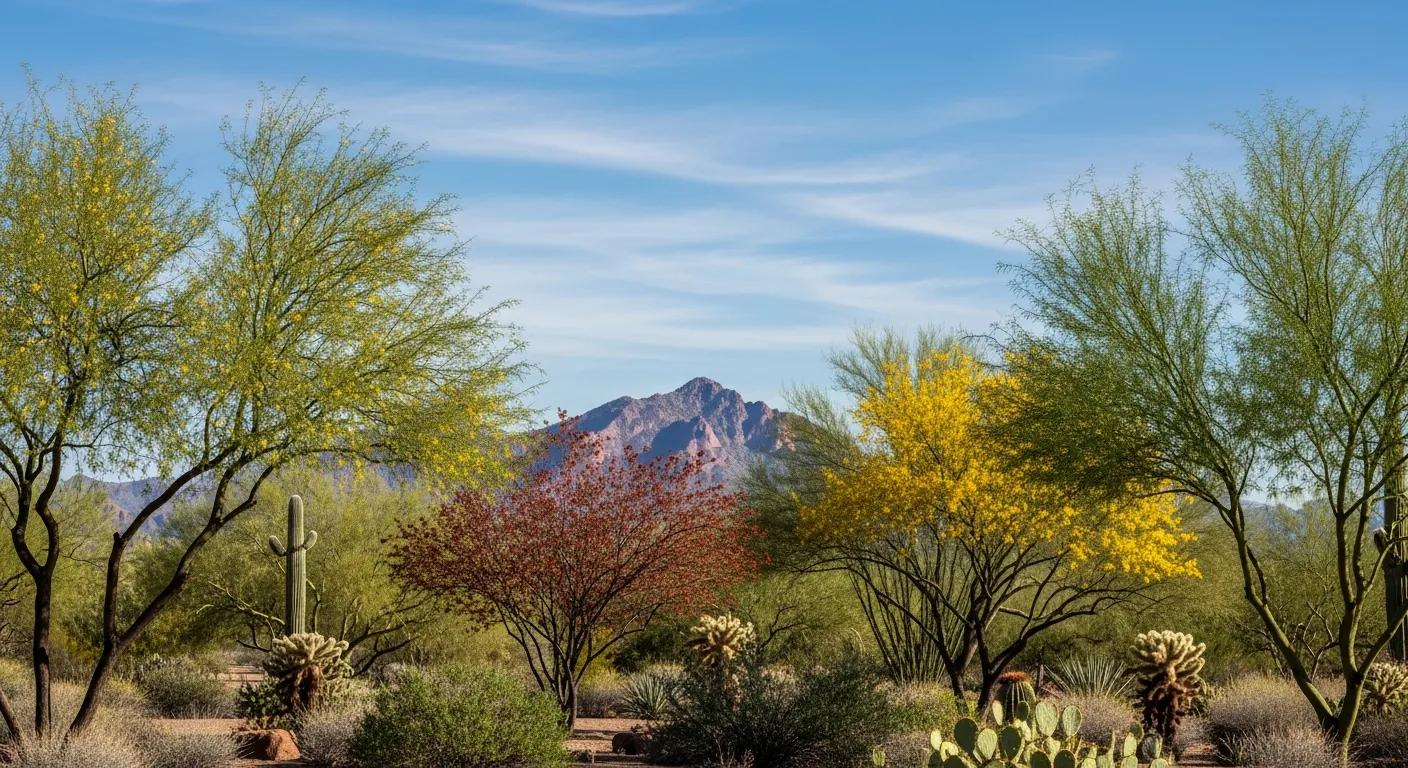
Best Drought-Tolerant Trees for Phoenix Landscapes
Top Drought-Resistant Trees for Phoenix
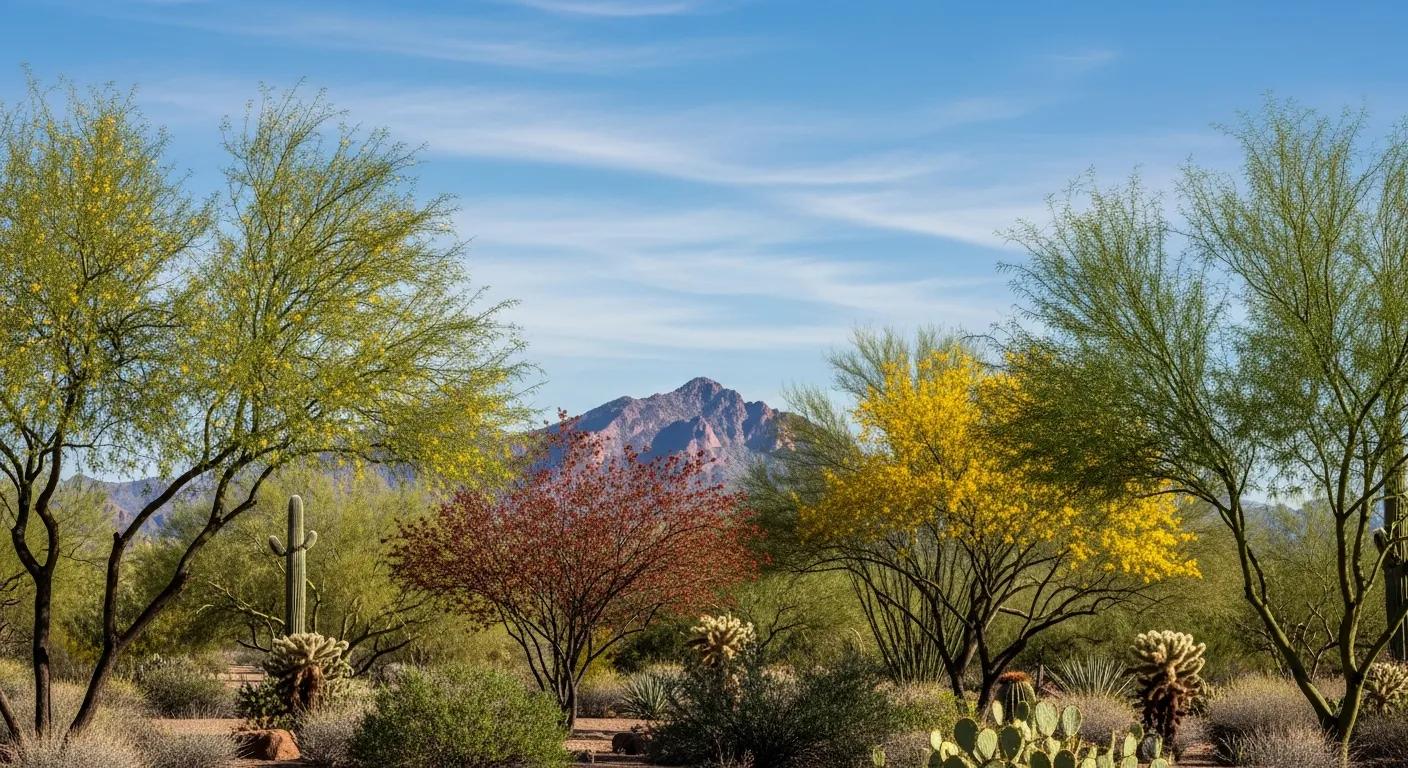
Phoenix's arid climate presents unique challenges for landscaping, particularly when it comes to selecting trees that can thrive with minimal water. Drought-tolerant trees not only conserve water but also enhance the beauty and sustainability of your landscape. This guide will explore the best drought-tolerant trees for Phoenix, focusing on their characteristics, care requirements, and how they contribute to water conservation efforts. By understanding the needs of these trees, homeowners can create a vibrant, sustainable landscape that withstands the heat and dryness of the desert. We will cover native desert trees, planting and care practices, maintenance tips, and how Arbor Barber Tree Services can assist with your landscaping needs.
Which Native Desert Trees Thrive in Phoenix's Arid Climate?

Native desert trees are well-adapted to the harsh conditions of Phoenix, making them ideal choices for sustainable landscaping. These trees not only require less water but also provide essential habitat for local wildlife.
What are the top drought-tolerant tree species for Phoenix landscapes?
Some of the top drought-tolerant tree species for Phoenix landscapes include:
- Palo Verde: Known for its green bark and vibrant yellow flowers, the Palo Verde is the state tree of Arizona. It thrives in dry conditions and requires minimal water once established.
- Mesquite: This hardy tree is well-suited for desert environments. Mesquite trees have deep roots that allow them to access underground water, making them resilient during dry spells.
- Desert Willow: With its beautiful trumpet-shaped flowers, the Desert Willow is not a true willow but a drought-tolerant tree that attracts hummingbirds and butterflies, enhancing the biodiversity of your garden.
How do Palo Verde, Mesquite, and Desert Willow compare in water usage and heat tolerance?
When comparing these three species, their water usage and heat tolerance vary:
| Tree Species | Water Usage | Heat Tolerance | Growth Characteristics |
|---|---|---|---|
| Palo Verde | Low | High | Grows up to 20-30 feet, fast-growing |
| Mesquite | Low to Moderate | High | Can reach 20-30 feet, provides shade |
| Desert Willow | Low | High | Typically grows 15-30 feet, attracts wildlife |
Understanding these differences can help homeowners select the right tree for their specific landscape needs.
Research further highlights the dual benefits of selecting appropriate drought-tolerant shade trees, emphasizing their role in both water conservation and urban cooling.
Drought-Tolerant Shade Trees for Phoenix: Cooling & Water Efficiency
Across studies, shade-based green infrastructure reduced ambient or surface temperatures by 2–5°C, while xeriscaping achieved 50–70% reductions in outdoor water use but delivered limited cooling (0.5–1°C). Hybrid strategies integrating drought-tolerant shade trees with rainwater harvesting or recycled water systems demonstrated superior performance, resolving the trade-off between thermal comfort and water demand.
Just green resilience in desert cities integrating heat mitigation water efficiency and equity, M Bahmanyar, 2026
How to Plant and Care for Xeriscape Trees in Phoenix?
Planting and caring for xeriscape trees involves specific techniques that ensure their survival in the desert environment.
What are the best practices for planting drought-resistant trees in desert soils?
To successfully plant drought-resistant trees in desert soils, follow these best practices:
- Soil Amendments: Incorporate organic matter to improve soil structure and water retention.
- Planting Depth: Ensure that the root ball is level with the surrounding soil to prevent water pooling.
- Watering Schedule: Water deeply but infrequently to encourage deep root growth.
How often should water wise trees be irrigated to ensure survival?
Water-wise trees should be irrigated based on their age and the season:
- Young Trees: Water every 1-2 weeks during the first year.
- Established Trees: Reduce watering to once a month in the cooler months and every 2-3 weeks during the hot summer months.
- Soil Monitoring: Regularly check soil moisture to adjust watering frequency as needed.
What Maintenance Tips Ensure Longevity of Low Maintenance Trees in Arizona?

Maintaining low-maintenance trees is crucial for their longevity and health.
How to prune and maintain drought-stressed trees effectively?
Effective pruning and maintenance practices include:
- Timing for Pruning: Prune during the dormant season or late winter to minimize stress on the tree.
- Tools Needed: Use sharp, clean tools to make clean cuts and prevent disease.
- Techniques to Promote Growth: Focus on removing dead or crossing branches to improve air circulation.
What seasonal care is needed for heat tolerant trees in desert landscapes?
Seasonal care for heat-tolerant trees involves:
- Winter Care: Protect young trees from frost by covering them during cold snaps.
- Summer Watering: Increase watering frequency during extreme heat to prevent stress.
- Fertilization Schedule: Apply a slow-release fertilizer in early spring to support growth.
How Can Arbor Barber Tree Services Support Your Phoenix Drought-Tolerant Tree Needs?
Arbor Barber Tree Services specializes in professional tree care services tailored to the Phoenix, Arizona region.
What free estimate and expert consultation services does Arbor Barber offer?
Arbor Barber provides free estimates and expert consultations to help homeowners choose the best drought-tolerant trees for their landscapes. Their knowledgeable staff can assess your property and recommend suitable species based on your specific needs.
How does local expertise enhance sustainable desert landscaping outcomes?
Local expertise is invaluable in sustainable desert landscaping. Arbor Barber's team understands the unique challenges of the Phoenix climate, including soil conditions and water availability. This knowledge allows them to provide tailored advice and services that enhance the health and longevity of your trees.
