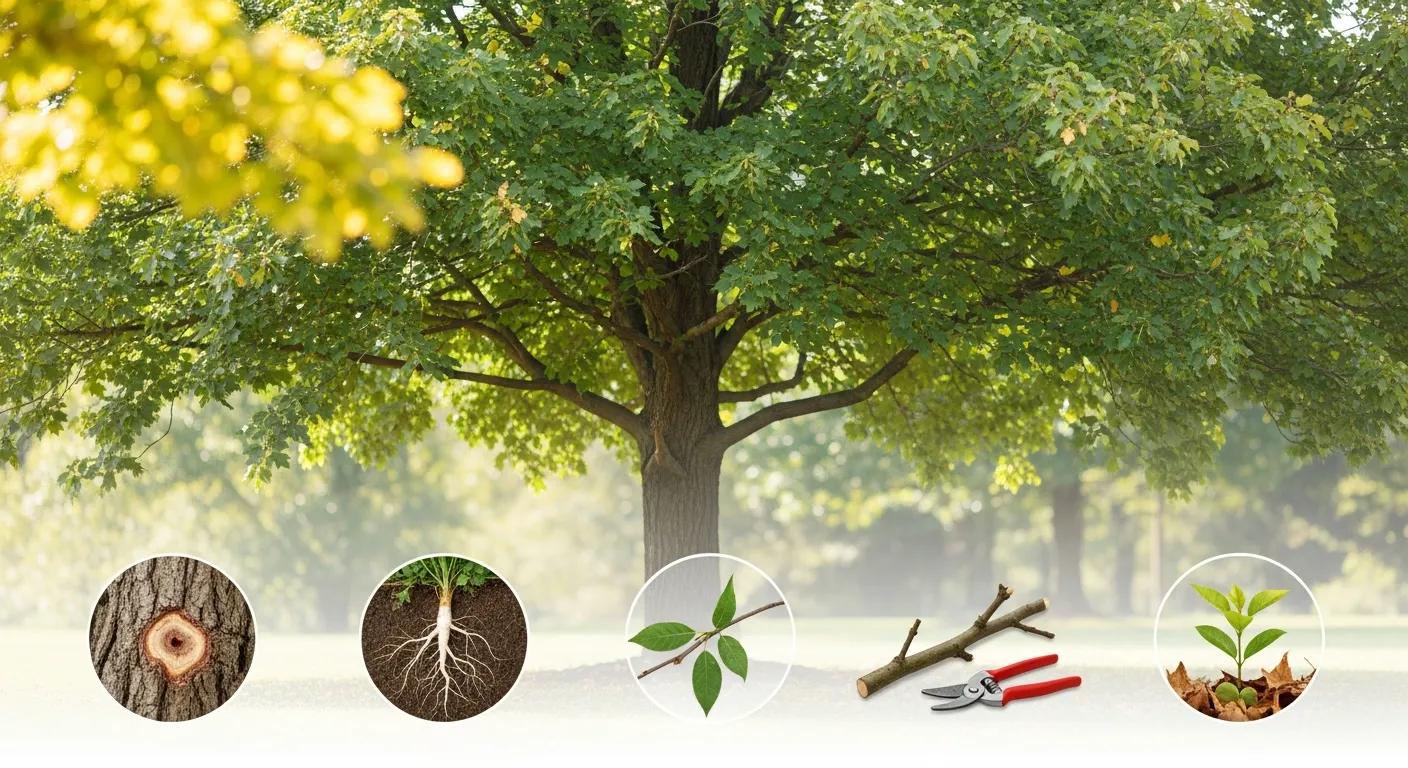
Frequently Asked Questions About Tree Care
Your Tree Care Questions Answered
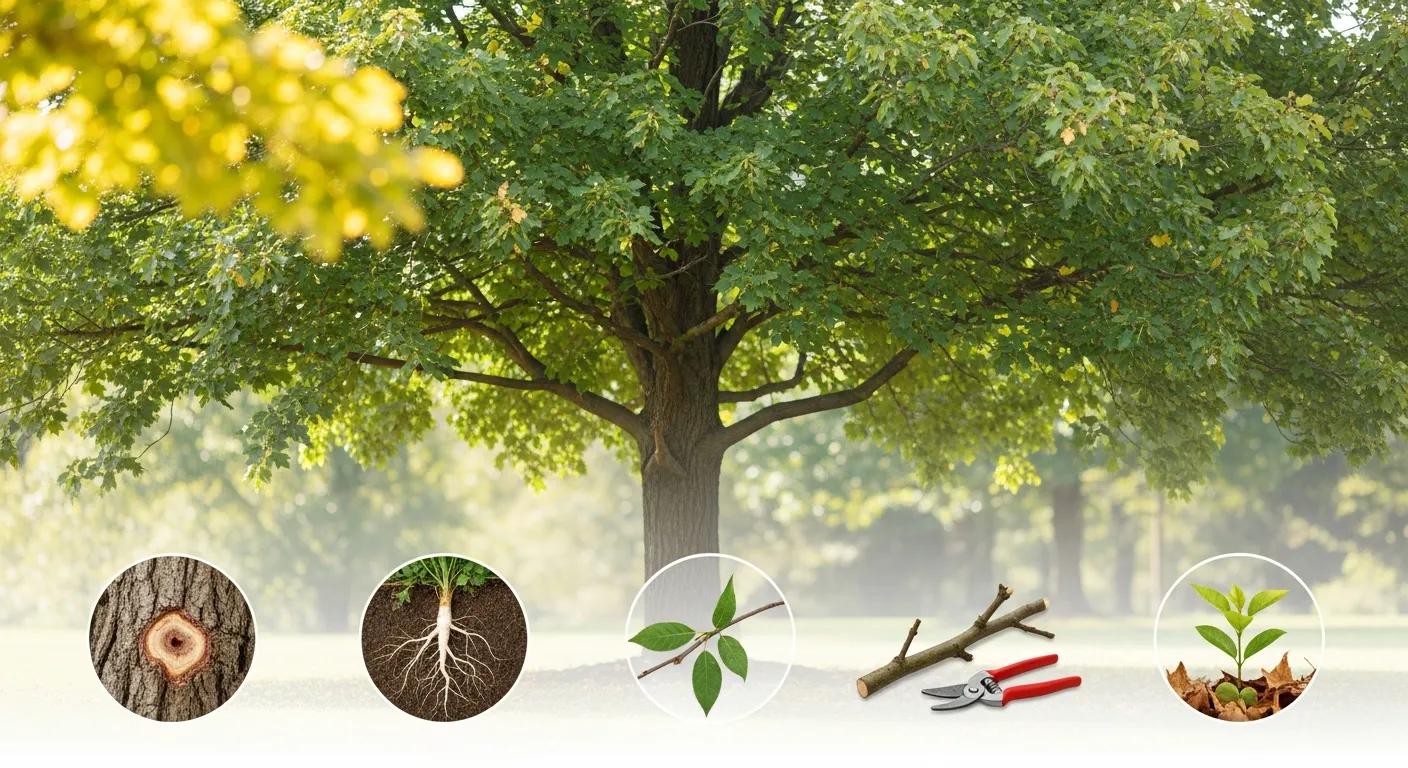
Tree care is essential for maintaining the health and beauty of your landscape, especially in regions like Phoenix, where unique environmental challenges exist. This article addresses common questions about tree care, focusing on disease identification, effective pruning techniques, signs of infestation, and maintenance schedules. Homeowners, property managers, and real estate agents can benefit from understanding these aspects to ensure their trees thrive. By recognizing the signs of tree diseases and pests, you can take proactive measures to protect your investment. This guide will also touch on the importance of hiring a qualified arborist for professional assistance.
How Can I Identify Common Tree Diseases in Phoenix?
Identifying tree diseases early is crucial for effective management and treatment. In Phoenix, trees face specific threats due to the desert climate, making it essential to recognize the signs of distress. Common tree diseases can manifest through various symptoms, including leaf discoloration, wilting, and unusual growth patterns. Early detection allows for timely intervention, which can save trees from severe damage or death. Understanding the local tree species and their vulnerabilities is key to maintaining a healthy landscape.
What Are the Signs of Oak Wilt and Other Local Tree Diseases?

Oak wilt is a serious disease affecting oak trees, characterized by wilting leaves that turn brown and fall prematurely. Other local diseases may present similar symptoms, such as leaf spots or cankers. It's important to monitor your trees regularly for these signs, as early detection can lead to more effective treatment options. Consulting with an arborist can provide valuable insights into specific diseases affecting your trees and the best course of action.
How Do I Treat and Prevent Tree Diseases in a Desert Climate?
Treating tree diseases in a desert climate requires specific strategies tailored to the unique environmental conditions. Effective treatments may include targeted fungicides or organic solutions that promote tree health. Preventive measures, such as proper watering techniques and soil management, can significantly reduce the risk of disease. Engaging with local experts who understand the nuances of desert horticulture can enhance your tree care efforts and ensure long-term health.
What Are the Best Tree Pruning Tips for Healthy Growth?
Pruning is a vital practice for maintaining tree health and promoting vigorous growth. Proper pruning techniques can enhance air circulation, light penetration, and overall tree structure. Understanding the best times to prune and the appropriate methods can lead to healthier trees and improved aesthetics in your landscape. Regular pruning not only helps in shaping trees but also in preventing potential hazards from dead or overgrown branches.
When Is the Ideal Time to Prune Trees in Phoenix?
The ideal time to prune trees in Phoenix typically falls during the late winter to early spring, just before new growth begins. This timing allows trees to heal quickly and encourages robust growth in the upcoming season. However, specific species may have different requirements, so it's essential to research or consult with an arborist to determine the best timing for your trees.
Which Pruning Techniques Promote Tree Health and Safety?

Several pruning techniques can promote tree health and safety, including thinning and crown reduction. Thinning involves selectively removing branches to improve light penetration and air circulation, while topping should generally be avoided as it can harm the tree's structure. Proper techniques not only enhance the tree's appearance but also reduce the risk of falling branches and other hazards.
How Do I Recognize Signs of Tree Infestation and Pest Problems?
Recognizing signs of tree infestation is crucial for maintaining tree health. Common indicators include discolored leaves, visible pests, and unusual growths on the bark. In Phoenix, specific pests like aphids, spider mites, and borers can pose significant threats to local trees. Regular inspections can help catch infestations early, allowing for timely intervention and treatment.
What Are Common Tree Pests in Phoenix and Their Symptoms?
Common tree pests in Phoenix include aphids, spider mites, and bark beetles. Symptoms of infestation may include yellowing leaves, webbing, or holes in the bark. Understanding these signs can help you take action before the infestation spreads. Monitoring your trees regularly and consulting with an arborist can provide effective pest management strategies tailored to your specific situation.
How Can I Manage and Prevent Pest Infestations Effectively?
Managing and preventing pest infestations involves a combination of cultural practices and targeted treatments. Regularly inspecting trees, maintaining healthy soil, and ensuring proper watering can create an environment less conducive to pests. Integrated pest management strategies, which may include biological controls and organic pesticides, can also be effective. Consulting with professionals can provide additional insights into the best practices for your landscape.
How Should I Maintain a Tree Care Schedule for Optimal Health?
Creating a tree care schedule is essential for ensuring the long-term health of your trees. Regular assessments and maintenance tasks can help identify potential issues before they become serious problems. A well-structured schedule should include watering, fertilization, pruning, and pest management. By staying proactive, you can maintain the vitality of your trees and enhance the overall beauty of your landscape.
What Is the Recommended Watering and Maintenance Routine in Phoenix?
In Phoenix, the recommended watering routine typically involves deep watering every 7 to 14 days, depending on the tree species, soil type, and weather conditions. Mulching around the base of trees can help retain moisture and regulate soil temperature. Additionally, regular inspections for signs of disease or pests should be part of your maintenance routine to ensure trees remain healthy and vibrant.
How Often Should I Inspect and Service My Trees?
Regular inspections should be conducted at least twice a year, with more frequent checks during the growing season. Look for signs of stress, disease, or pest infestations. If you notice any issues, consult with an arborist for professional advice and treatment options. Keeping a close eye on your trees can prevent minor problems from escalating into major concerns.
Arbor Barber Tree Services specializes in professional tree care services tailored to homeowners, property managers, and real estate agents in the greater Phoenix area, Arizona. For those seeking expert assistance, Arbor Barber offers free estimates and consultations to help you maintain the health and beauty of your trees.
*(The existing HTML article content without links)*
