Key Signs Your Tree Needs Professional Removal
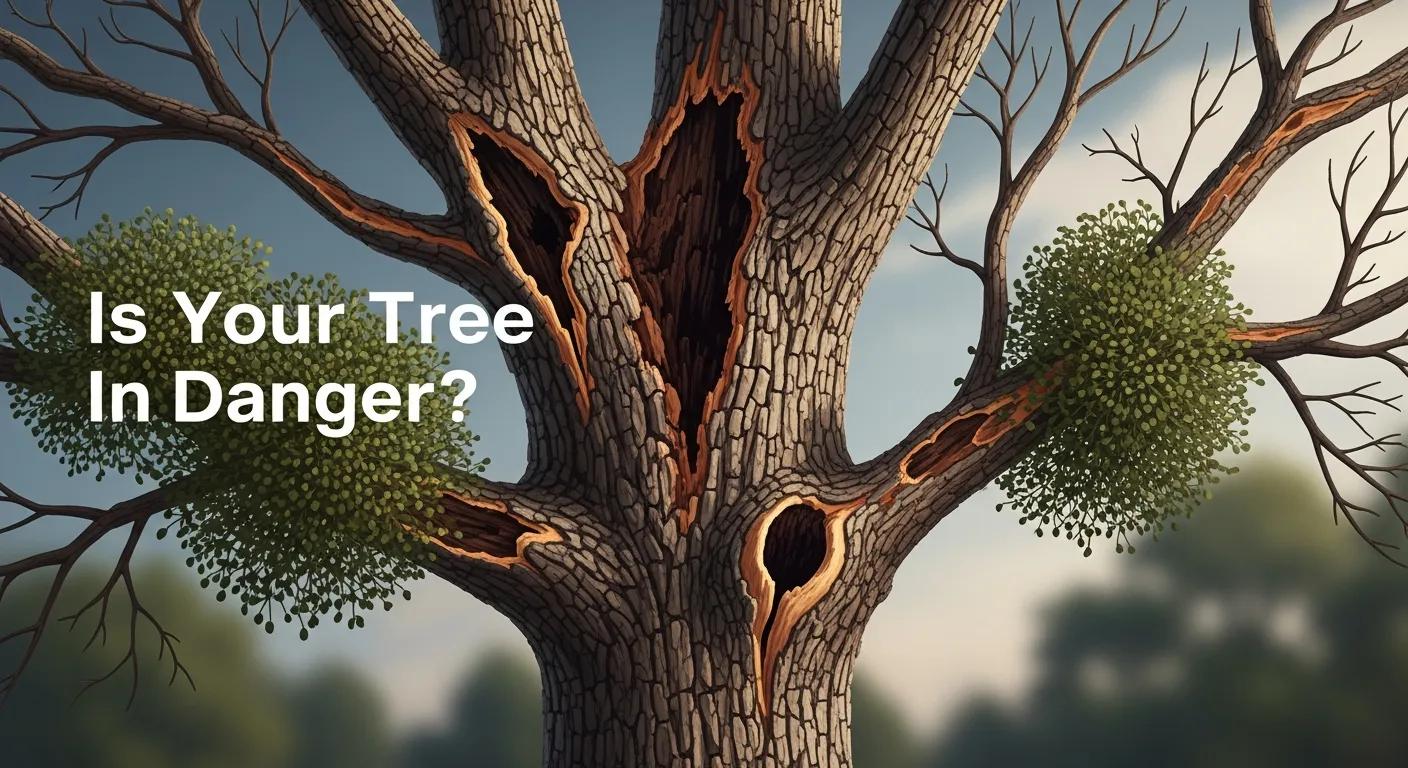
Is Your Tree in Danger?
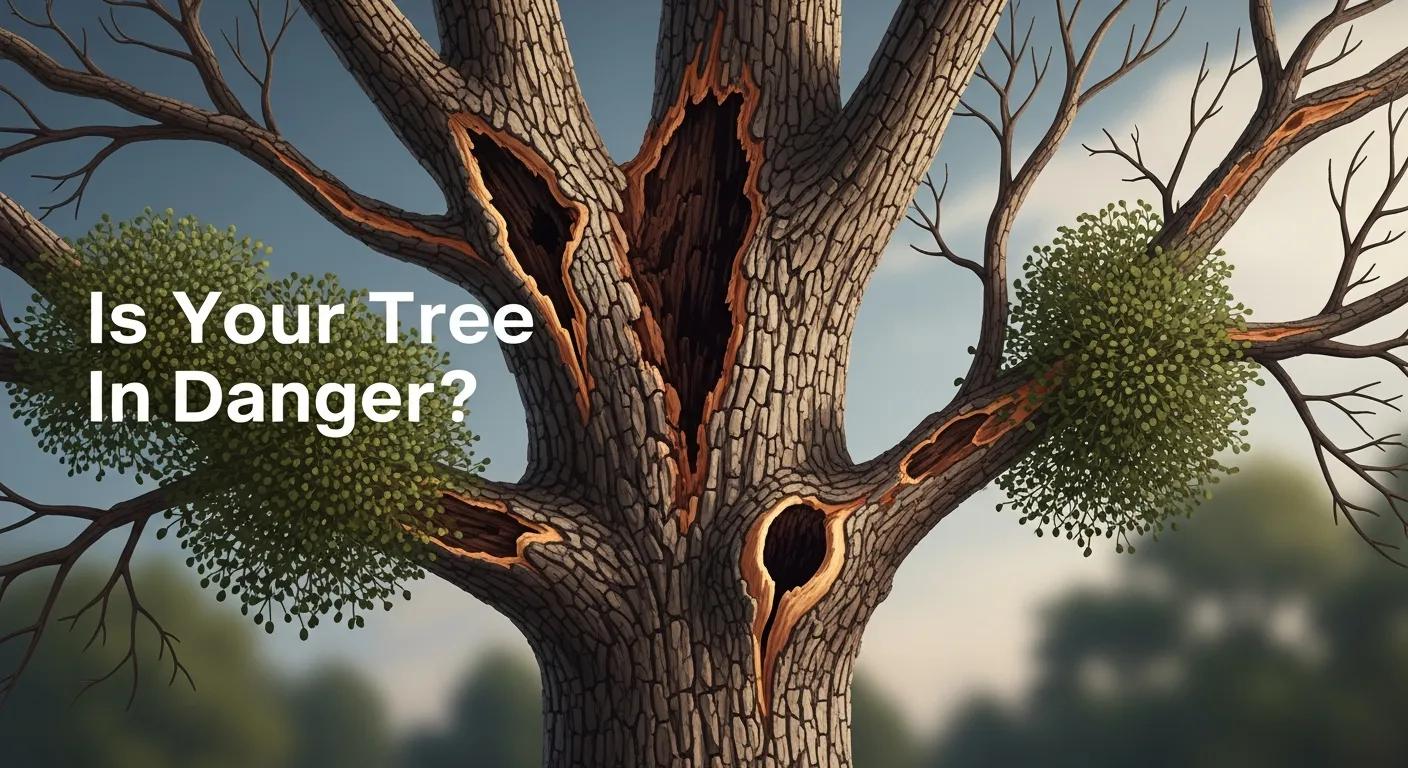
Trees are vital components of our environment, providing shade, beauty, and habitat for wildlife. However, when trees become unhealthy or hazardous, they can pose significant risks to safety and property. This article will explore the key signs that indicate your tree may need professional removal, focusing on identifying dying, diseased, and structurally compromised trees. Understanding these signs is crucial for maintaining a safe and aesthetically pleasing landscape. We will discuss common symptoms of tree decline, structural damages that signal the need for removal, root system issues, environmental hazards, and the importance of professional assessments. By recognizing these indicators early, you can take proactive steps to protect your property and ensure the health of your landscape.
What Are the Common Symptoms of a Dying or Diseased Tree?
The common symptoms of a dying or diseased tree include wilting or discolored leaves, unusual growths or fungi, peeling bark, and dead branches. These signs can indicate that the tree is struggling with health issues that may require professional intervention.
How to Recognize Discolored or Sparse Leaves as Tree Decline Signs
Discolored or sparse leaves are often the first visible signs of tree decline. Wilting leaves may indicate insufficient water or nutrient uptake, while yellowing leaves can suggest disease, pest infestations, or environmental stress. If you notice these symptoms, it's essential to consult a professional for assessment and care.
What Does Fungal Growth on Trunks or Bases Indicate About Tree Health?
Fungal growth on trunks or bases is a clear indicator of a diseased tree. This growth can manifest as unusual mushrooms or other fungi, which often signal internal decay or rot. If you observe these symptoms, it’s crucial to seek a professional evaluation to determine the tree's health and necessary actions.
Further research highlights the limitations of visual assessment alone in accurately diagnosing the extent of internal decay.
Diagnosing Tree Wood Decay: Visual vs. Molecular Methods
The extent to which the presence of wood decay fungi in standing trees is underestimated when diagnosis is based on the visual inspection of trees was studied and whether the rate of underestimation may vary depending on the environmental context (urban vs. forest sites) and the fungal species was tested.
Comparing visual inspection of trees and molecular analysis of internal wood tissues for the diagnosis of wood decay fungi, S Fabiano, 2015
Which Structural Damages Signal the Need for Tree Removal?
Structural damages that signal the need for tree removal include dead branches, significant leaning, cracks in the trunk, and extensive root damage. These issues can compromise the tree's stability and pose safety risks to nearby structures and individuals.
How to Identify Leaning Trees and Root Plate Instability
Leaning trees may indicate root plate instability, which can lead to potential failure during storms or high winds. To assess a tree's stability, look for signs of soil heaving, exposed roots, or a tilted trunk, which can suggest that the tree is losing its anchorage. If you notice these signs, it’s advisable to consult a professional arborist.
Understanding the mechanics of root anchorage is critical for assessing a tree's overall stability and its resistance to external forces.
Tree Root Anchorage & Stability Assessment
Root anchorage is discussed with a view to determining the optimum use of root material for enhanced stability. Field observations were made on Sitka spruce root systems while lateral forces were applied to the stem with a winch to pull the tree over. Measurements included the applied force, angles of inclination, soil and root movement, timing of the sound of root breakage using buried microphones, weight and shape of the root-soil plate and damage to the roots.
Root architecture and tree stability, 1983
What Do Cracks, Splits, and Hollow Spots Reveal About Tree Safety?
Cracks, splits, and hollow spots in a tree's trunk can reveal significant structural weaknesses. These damages may indicate internal decay, which can compromise the tree's integrity. If you observe such signs, it is essential to have the tree evaluated by a professional to determine if removal is necessary.
What Root System Issues and Soil Conditions Affect Tree Stability?
Root system issues and soil conditions play a critical role in a tree's overall stability. Problems such as root rot and soil compaction can severely affect a tree's health and structural integrity.
How to Detect Root Rot and Its Impact on Tree Health
Root rot is a serious condition that can lead to tree decline and death. Signs of root rot include yellowing leaves, stunted growth, and a general decline in health. To detect root rot, inspect the roots for mushy, soft, or discolored areas. If you suspect root rot, consulting a professional is crucial for proper diagnosis and treatment.
What Are the Signs of Exposed or Damaged Roots and Soil Heaving?
Exposed or damaged roots can indicate that a tree is struggling to maintain stability. Soil heaving around the base of the tree can also suggest that the root system is compromised. These conditions can lead to increased risk of falling, making it essential to seek professional advice if you notice these signs.
How Do Environmental Hazards and Proximity Risks Influence Tree Removal Decisions?
Environmental hazards and proximity risks significantly influence tree removal decisions. Trees located near homes, buildings, and power lines can pose safety risks, especially during storms or high winds.
Why Are Trees Near Homes, Buildings, and Power Lines Considered Hazardous?
Trees that are too close to structures or power lines can become hazardous during severe weather. Falling branches or uprooted trees can cause significant damage to property and pose risks to safety. Regular assessments of these trees are essential to mitigate potential hazards.
How to Assess Storm Damage and Overgrown Canopies Affecting Safety?
After a storm, it is crucial to assess trees for damage. Look for broken branches, leaning trunks, or signs of uprooting. Overgrown canopies can also pose risks by obstructing visibility or interfering with power lines. If you notice any of these issues, it is advisable to consult a professional for a thorough evaluation.
Why Is Professional Assessment Essential for Determining Tree Removal?
Professional assessment is essential for determining tree removal because it ensures the health and safety of trees, addresses potential issues, and enhances the aesthetic appeal of properties. Regular inspections by a qualified arborist can identify signs of damage or disease, helping to make informed decisions about tree care and removal.
What Role Does an ISA Certified Arborist Play in Tree Health Evaluation?
An ISA Certified Arborist plays a crucial role in tree health evaluation by demonstrating knowledge in tree care, assessing tree conditions, identifying pests and diseases, and recommending appropriate maintenance practices to promote tree health and vitality. Their expertise is invaluable in making informed decisions regarding tree removal.
How Does Arbor Barber Ensure Safe and Efficient Tree Removal in Phoenix?
Arbor Barber ensures safe and efficient tree removal in Phoenix by employing professional crews skilled in the careful and timely removal of hazardous or unwanted trees. They emphasize clear communication, integrity, and respect for the property, ensuring that the yard is left cleaner than they found it. Their approach includes expert knowledge of tree care and a commitment to safety, making the process simple and stress-free for clients.
When Should You Call for Professional Tree Removal Services?
You should call for professional tree removal services if you want to take action before a storm or a surprise branch drop occurs. Recognizing the signs of hazardous trees can prevent accidents and property damage.
What Are the Key Hazardous Tree Indicators Requiring Immediate Action?
Key indicators requiring immediate action include significant leaning, dead or diseased limbs, and visible signs of decay. If you observe any of these signs, it is crucial to contact a professional for an assessment to prevent potential hazards.
How to Request a Free Tree Removal Estimate from Arbor Barber?
To request a free tree removal estimate from Arbor Barber, you can call them directly at 480.418.5260 or contact them through their website. They will schedule a consultation for you, ensuring that you receive expert advice tailored to your specific needs.
