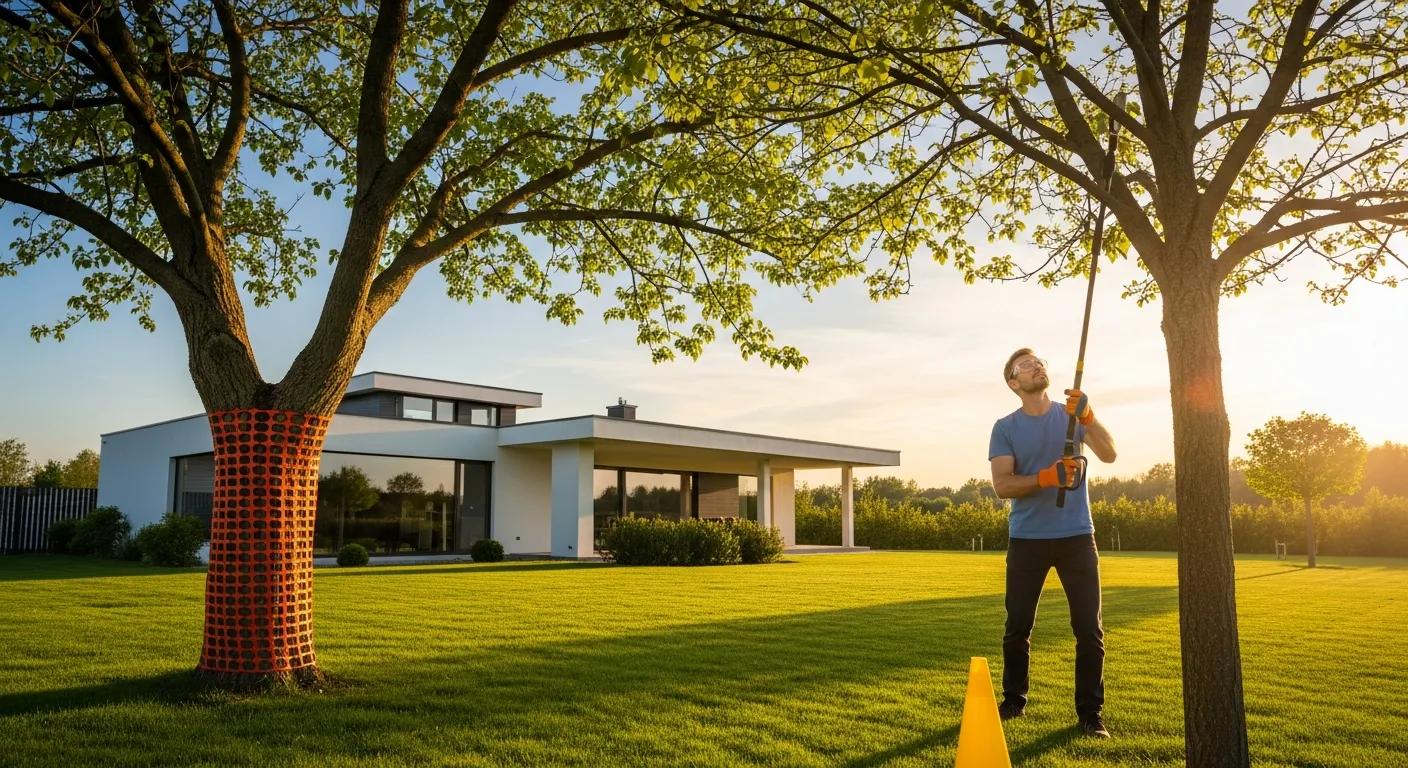
Essential Tree Trimming Safety Tips for Homeowners
Safe Tree Trimming Tips for Homeowners
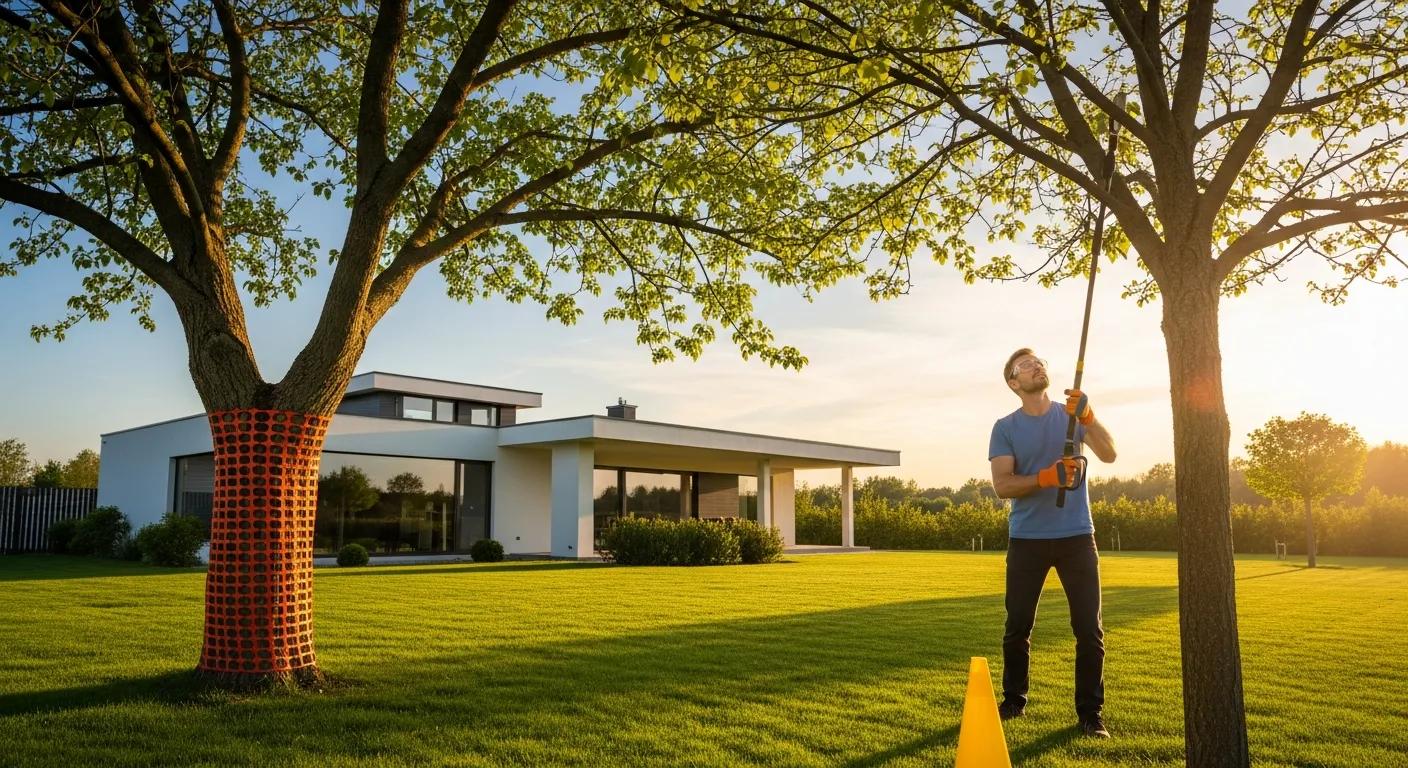
Tree trimming is an essential aspect of maintaining a healthy landscape, especially for homeowners in Phoenix, where the unique climate can pose specific challenges. This article provides comprehensive safety tips and guidelines for effective tree care, ensuring that homeowners can manage their trees safely and efficiently. By understanding the importance of tree trimming safety, homeowners can prevent hazards associated with overgrown or damaged trees, which can lead to accidents during storms or high winds. This guide will cover crucial topics, including personal protective equipment (PPE), safe pruning techniques, identifying hazards, and when to hire a professional arborist.
Why Is Tree Trimming Safety Crucial for Homeowners in Phoenix?
Tree trimming safety is crucial for homeowners in Phoenix because it ensures safe, precise, and clean cuts that promote healthy growth. Additionally, professional tree services provide peace of mind by addressing potential dangers and maintaining the aesthetic appeal of the property. Proper tree care helps prevent hazards from overgrown or damaged trees, which can pose risks during storms or high winds.
What Are the Common Tree Care Risks for Homeowners?
Homeowners face several risks when engaging in tree care, including physical injuries from falls, cuts, or equipment mishandling. Common injuries from tree trimming can range from minor lacerations to severe accidents requiring medical attention. Environmental hazards, such as unstable branches or proximity to power lines, further increase the risk. Awareness of these dangers is essential for safe tree trimming practices.
How Does Phoenix's Climate Impact Tree Trimming Safety?
Phoenix's climate significantly impacts tree trimming safety due to its extreme heat and seasonal monsoons. The intense summer heat can lead to dehydration and heat-related illnesses for those working outdoors. Additionally, the monsoon season brings strong winds and heavy rains, which can cause branches to become unstable or break unexpectedly. Homeowners must consider these factors when planning their tree trimming activities to ensure safety.
What Are the Key Personal Protective Equipment for Safe Tree Trimming?
Using the right personal protective equipment (PPE) is vital for ensuring safety during tree trimming. PPE helps minimize the risk of injuries and enhances overall safety for homeowners.
Which PPE Items Are Essential for Homeowner Tree Care?
Essential PPE items for tree care include helmets, gloves, eye protection, and sturdy footwear. Helmets protect against falling branches, while gloves provide grip and protect hands from cuts. Eye protection is crucial to shield against flying debris, and sturdy footwear ensures stability on uneven ground. Each of these items plays a critical role in maintaining safety during tree trimming activities.
How Does Proper PPE Prevent Tree Trimming Injuries?
Proper PPE significantly reduces the likelihood of injuries during tree trimming. Studies and safety guidelines indicate that individuals who wear appropriate protective gear are less likely to sustain serious injuries. For example, wearing helmets can prevent head injuries from falling branches, while gloves can protect against cuts and abrasions. Regular maintenance of PPE, such as checking for wear and tear, is also essential to ensure its effectiveness.
Emphasizing the critical role of protective gear, additional training resources highlight the importance of proper PPE and fall protection in preventing tree trimming accidents.
Tree Trimming Safety: PPE & Fall Protection Training
In order for tree care industry employers to have effective fall protection programs, they must provide training on the appropriate personal protective equipment (PPE) such as fall arrest systems, hard hats, and eye protection.
Operator Falls from Boom Lift while Tree Trimming, 2021
What Are Safe Tree Pruning Techniques Every Homeowner Should Know?
Understanding safe tree pruning techniques is essential for homeowners to maintain their trees effectively while minimizing risks. Proper methods ensure that trees remain healthy and aesthetically pleasing.
How to Perform the Proper 3-Cut Method for Branch Removal?
The proper 3-cut method for branch removal involves making three cuts to prevent bark tearing and ensure a clean cut. First, make an undercut about one-third of the way through the branch, followed by a top cut further out on the branch. Finally, make a final cut just outside the branch collar to remove the stub. This technique promotes healthy healing and reduces the risk of disease.
What Ladder Safety Practices Ensure Secure Tree Trimming?
Ladder safety is crucial during tree trimming to prevent falls and injuries. Best practices include ensuring the ladder is on stable ground, maintaining three points of contact, and never overreaching while on the ladder. Common ladder-related injuries can be avoided by following these safety measures, which are essential for secure tree trimming.
How Can Homeowners Identify and Avoid Common Tree Trimming Hazards?
Identifying and avoiding common tree trimming hazards is vital for ensuring safety during tree care. Homeowners should be aware of potential risks and take proactive measures to mitigate them.
What Are the Electrical and Power Line Risks During Tree Pruning?
Electrical and power line risks are significant hazards during tree pruning. Data from the U.S. Consumer Product Safety Commission and other safety organizations indicate that many accidents occur when tree branches come into contact with power lines. Homeowners should maintain a safe distance from power lines and consult professionals when trimming trees near these hazards to prevent electrocution.
How to Recognize Unstable Trees and Dead Branches?
Dead or diseased limbs
Wilting or discolored leaves
Unusual growths or fungi
Peeling bark
Obstructing growth patterns
Regular assessments can help maintain tree health and identify these issues. If you notice these symptoms, it's essential to consult a professional for further assessment and care.
When Should Homeowners Hire a Professional Arborist for Tree Trimming?
Homeowners should hire a professional arborist for tree trimming when they encounter common tree problems such as pest infestations, diseases, poor tree health, structural issues, or damage from storms. These issues can compromise the safety and aesthetics of the trees, necessitating professional intervention. Additionally, the best time to hire an arborist in Phoenix is during the cooler months, typically from late fall to early spring, for optimal tree health and growth management.
For further guidance on selecting the right expert for your tree care needs, consider this resource.
Guide to Hiring a Qualified Arborist for Tree Care
This publication provides information for home owners, property managers, municipal planners, and others about the tree care services provided by an arborist and the steps that should be taken to hire a qualified arborist.
Hiring an arborist to care for your landscape trees, PE Wiseman, 2020
What Are the Risks of DIY Tree Cutting and How Professionals Mitigate Them?
DIY tree cutting poses several risks, including injuries and improper techniques that can harm the tree. Safety data show that many accidents occur during DIY tree trimming, often due to a lack of experience and knowledge. Professionals mitigate these risks by using specialized equipment and techniques, ensuring safe and effective tree care.
How Does Hiring Arbor Barber Enhance Safety and Peace of Mind?
Hiring Arbor Barber enhances safety and peace of mind by providing quick response times to address storm damage and safety hazards, ensuring that your trees are safe and healthy. Their full-service solutions mean you don't have to manage multiple contractors, and their honest, upfront pricing eliminates surprises. Additionally, their friendly, local team treats you like a neighbor, ensuring a reliable and professional service.
What Phoenix-Specific Tree Trimming Safety Considerations Should Homeowners Know?
Homeowners in Phoenix should be aware of specific tree trimming safety considerations that arise from the local environment and tree species.
How Do Local Tree Species Affect Trimming Hazards?
Local tree species can significantly affect trimming hazards. For instance, certain species may have brittle branches that are more prone to breaking during trimming. Understanding the characteristics of common tree species in Phoenix helps homeowners adopt appropriate trimming techniques and safety measures.
What Safety Measures Are Needed During Phoenix's Monsoon Season?
During Phoenix's monsoon season, safety measures are crucial to prevent accidents. Homeowners should avoid trimming during storms and high winds, as these conditions can lead to falling branches and other hazards. Additionally, securing tools and equipment before storms can prevent damage and ensure safety.
PPE ItemPurposeImportanceHelmetProtects head from falling debrisEssential for safetyGlovesProvides grip and protects handsReduces injury riskEye ProtectionShields eyes from flying debrisPrevents eye injuriesSturdy FootwearEnsures stability on uneven groundCritical for balance
Homeowners must prioritize safety when engaging in tree trimming activities. By understanding the risks, using appropriate PPE, and employing safe techniques, they can effectively manage their trees while minimizing hazards. For those who prefer professional assistance, Arbor Barber offers expert tree care services tailored to the unique needs of Phoenix homeowners.
