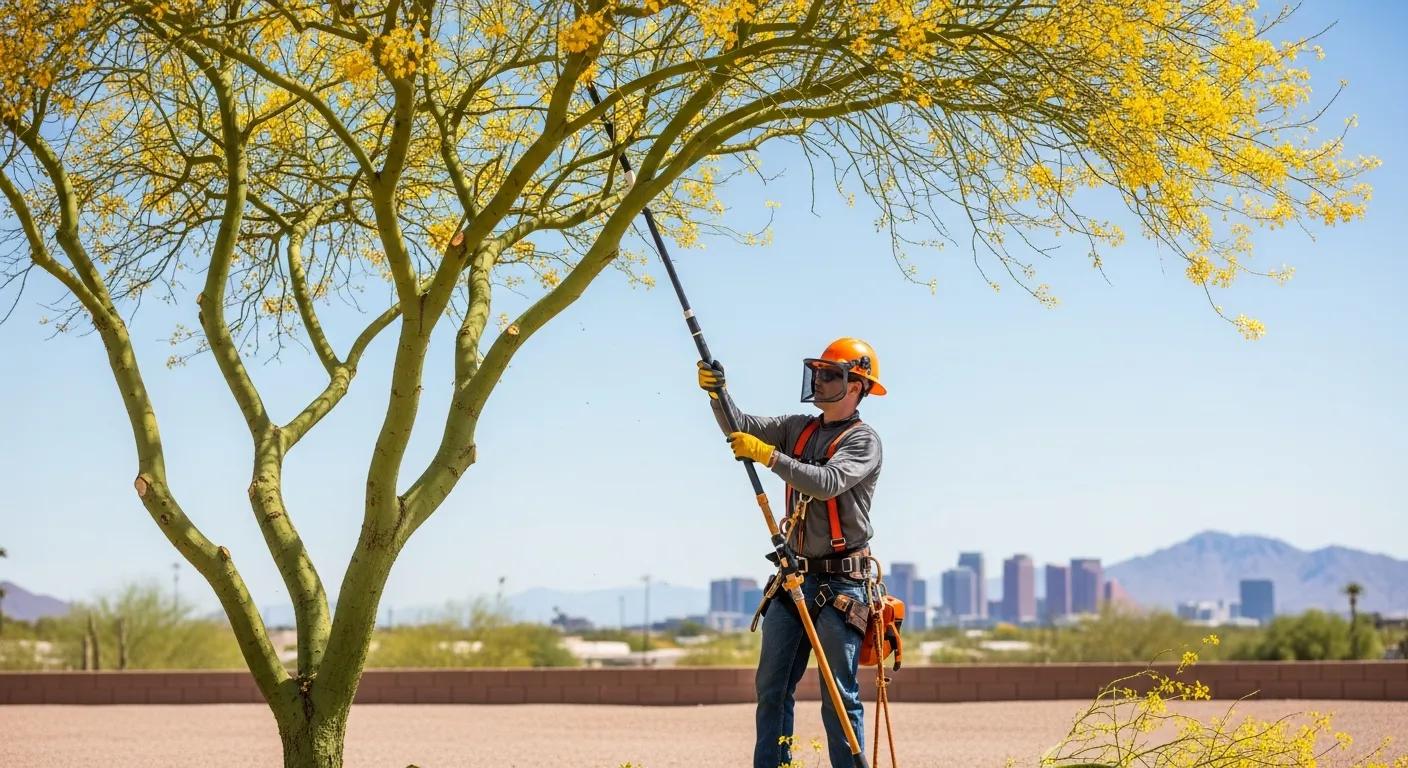
Best Time to Trim Trees in Phoenix
Optimal Tree Trimming in Phoenix
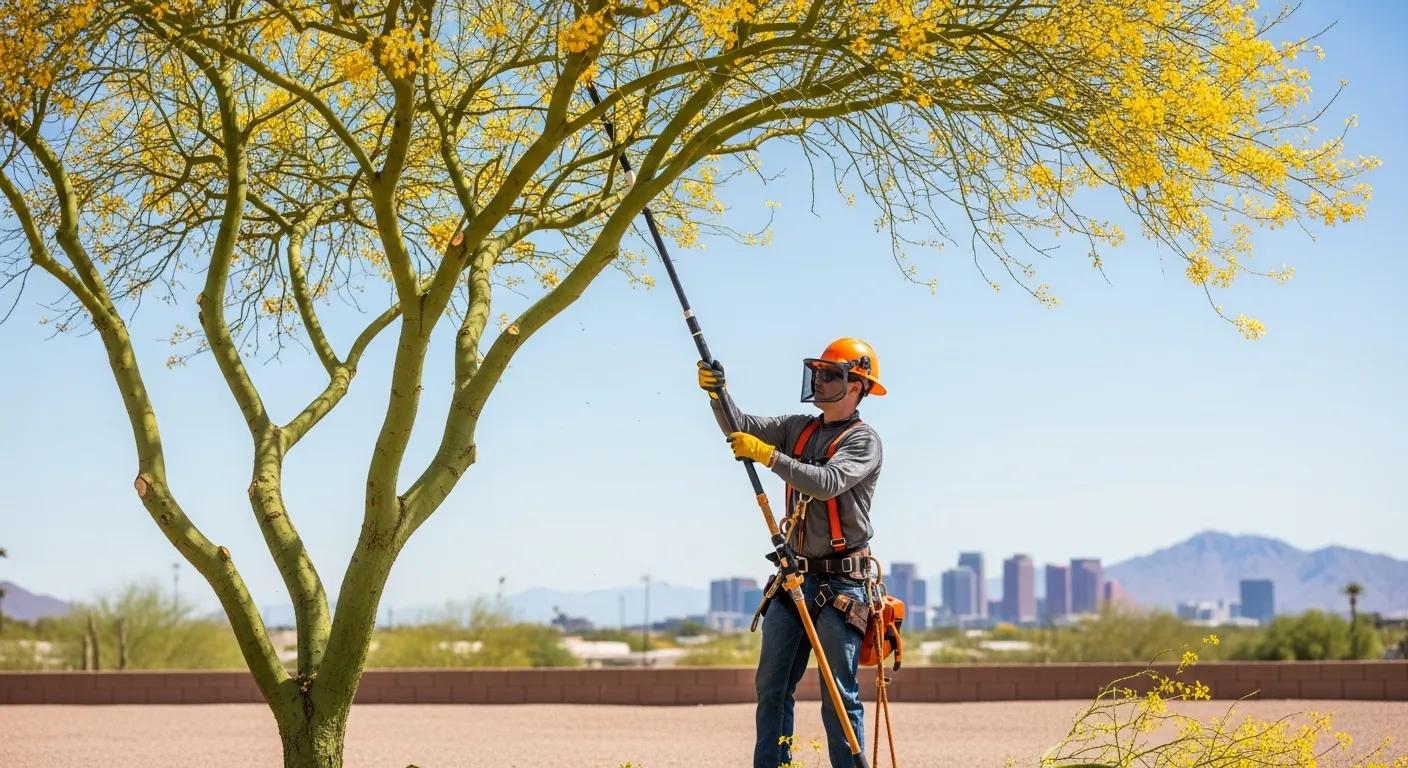
The best time of year to hire an arborist in Phoenix is during the cooler months, typically from late winter to early spring. This timing allows for optimal tree health and growth management. Understanding the best practices for tree trimming in Phoenix is essential for maintaining the vitality of your trees. In this guide, we will explore the seasonal factors that influence tree trimming, the best times to prune different tree species, and common mistakes to avoid. Additionally, we will discuss the benefits of hiring a certified arborist and how to request a free tree trimming estimate from Arbor Barber.
What Are the Seasonal Factors Affecting Tree Trimming in Phoenix?
The seasonal factors affecting tree trimming in Phoenix include the cooler months, typically from late winter to early spring, which are considered the best time for tree health and growth management. During this period, trees are generally dormant or entering dormancy, allowing for safer and more effective pruning without stressing the plants.
How Does Phoenix's Climate Influence Tree Pruning Timing?
Phoenix's climate influences tree pruning timing by making the cooler months, typically from late winter to early spring, the best time for hiring an arborist. This period allows for optimal tree health and growth management. The high temperatures in summer can stress trees, making them more susceptible to damage during pruning. Therefore, understanding the local climate is crucial for effective tree care.
What Impact Do Monsoon and Frost Seasons Have on Tree Care?
Monsoon and frost seasons impact tree care by influencing growth cycles, nutrient uptake, and vulnerability to pests and diseases. During monsoon, trees may require more attention to prevent waterlogging and root rot, while frost can lead to dormancy, necessitating care to protect trees from cold damage. Proper seasonal care is essential to maintain tree vitality during these periods.
Research further supports the significant impact of Phoenix's unique climate on plant health and growth cycles.
Seasonal Plant Growth & Frost Damage in Phoenix
The effects of urban ground cover on oleander performance were season-specific; while oleander growth was greatest in the mesiscape during spring/summer, it was lowest during fall/winter and these plants experienced frost damage. Because all oleander plants produced >10 times as much biomass during the spring/summer, on an annual basis oleanders in the mesiscape produced 5–11% more biomass than plants in the warmer ground covers.
The effect of urban ground cover on microclimate, growth and leaf gas exchange of oleander in
Phoenix, Arizona, 2005
When Is the Best Time to Trim Different Tree Species in Phoenix?
Identifying optimal trimming times for various tree species is crucial for effective tree care. Different species have unique growth patterns and pruning needs, which can significantly affect their health and appearance.
When To Prune Citrus Trees and Flowering Trees in Phoenix?
Citrus trees and flowering trees should be pruned in late winter or early spring, just before new growth begins. This timing encourages healthy blooms and fruit production while minimizing stress on the trees. Proper pruning techniques can enhance air circulation and sunlight penetration, promoting overall tree health.
What Are the Optimal Pruning Times for Desert Natives Like Mesquite and Palo Verde?
Desert natives like Mesquite and Palo Verde should be pruned in late winter to early spring. This timing aligns with their natural growth cycles, allowing for optimal recovery and growth. Pruning during this period helps maintain their shape and health, ensuring they thrive in the desert climate.
How to Follow the Phoenix Tree Pruning Calendar for Year-Round Care?
Maintaining trees throughout the year requires a structured approach to pruning and care. Following a seasonal calendar can help ensure that trees receive the attention they need at the right times.
What Are the Key Tree Trimming Activities in Winter and Spring?
In winter and spring, key activities include pruning dead or diseased branches, shaping trees, and preparing them for new growth. This proactive approach helps prevent potential issues and promotes healthy development as the growing season begins.
How Should You Prepare Trees for Summer Monsoon and Fall Maintenance?
Preparing trees for summer monsoon and fall maintenance involves ensuring proper drainage and addressing any structural weaknesses. Regular inspections and maintenance during these seasons can help mitigate damage from storms and promote resilience in trees.
What Are Common Tree Trimming Mistakes to Avoid in Phoenix's Desert Climate?
Avoiding common tree trimming mistakes is essential for maintaining tree health in Phoenix's desert climate. Understanding these pitfalls can help ensure effective tree care.
Why Is Over-Pruning Heat-Sensitive Trees Harmful?
Over-pruning heat-sensitive trees can lead to increased stress and vulnerability to pests and diseases. Removing too much foliage can reduce the tree's ability to photosynthesize, ultimately harming its health. It is crucial to prune judiciously and maintain a balance to support tree vitality.
How to Prevent Structural Damage Through Proper Pruning Techniques?
To prevent structural damage through proper pruning techniques, you should regularly assess your trees for signs such as overgrown branches, dead or diseased limbs, and obstructing growth patterns. Regular pruning helps maintain tree health by removing dead or overcrowded branches, which allows for better sunlight and air circulation. This promotes healthy development and reduces the risk of structural issues. Additionally, maintaining your trees year-round with proper watering, mulching, and monitoring for pests and diseases is essential for their overall vitality and resilience.
Why Should You Hire a Certified Arborist for Tree Trimming in Phoenix?
You should hire a certified arborist for tree trimming in Phoenix because they possess qualifications such as certification from a recognized arboriculture organization, liability insurance, and experience with local tree species and conditions. These qualifications ensure quality and safety in tree care services, which is essential for maintaining the health and appearance of your trees.
The importance of these qualifications is underscored by the industry's emphasis on professional credentialing.
Importance of Professional Arborist Certification
Professional credentialing refers to the process of obtaining a certification or license that validates an individual’s knowledge, skills, and abilities according to industry-accepted ethics and standards. The International Society of Arboriculture (ISA) confers and manages professional arborist certification as well as other arborist credentials.
Motivations and barriers of professional certification for tree workers, JS Gordon, 2024
What Benefits Does Professional Tree Care Provide for Phoenix Trees?
Professional tree care in Phoenix provides several benefits, including promoting healthy development through regular pruning, which removes dead or overcrowded branches. This allows for better sunlight and air circulation, essential for maintaining tree health and vitality. Additionally, monitoring for common pests like aphids, scale insects, and spider mites helps protect trees from damage. Proper maintenance enhances the landscape by selecting suitable tree species and ensuring their health and growth.
When Is It Essential to Call an Arborist for Tree Health and Safety?
It is essential to call an arborist for tree health and safety when facing common problems such as pest infestations, diseases, poor tree health, structural issues, and damage from storms. These issues can compromise the safety and aesthetics of your trees, necessitating professional intervention.
How Can You Request a Free Tree Trimming Estimate from Arbor Barber in Phoenix?
To request a free tree trimming estimate from Arbor Barber in Phoenix, you can either call them directly at 480.418.5260 or contact them through their website.
What Services Does Arbor Barber Offer for Seasonal Tree Care?
Tree Trimming: Safe, precise cuts to promote healthy growth.
Tree Removal: Fast and careful removal of hazardous or unwanted trees.
Palm Tree Trimming: Specialized care for palms to keep them neat and storm-resistant.
Stump Grinding: Removal of unsightly stumps to reclaim yard space.
Tree Treatment: Insect and disease control to protect trees year-round.
Emergency Storm Cleanup: Rapid response to storm damage to secure property.
How to Schedule a Free On-Site Assessment for Your Trees?
To schedule a free assessment for your trees, contact Arbor Barber directly. They will provide a thorough evaluation of your trees' health and recommend appropriate care strategies tailored to your specific needs.
