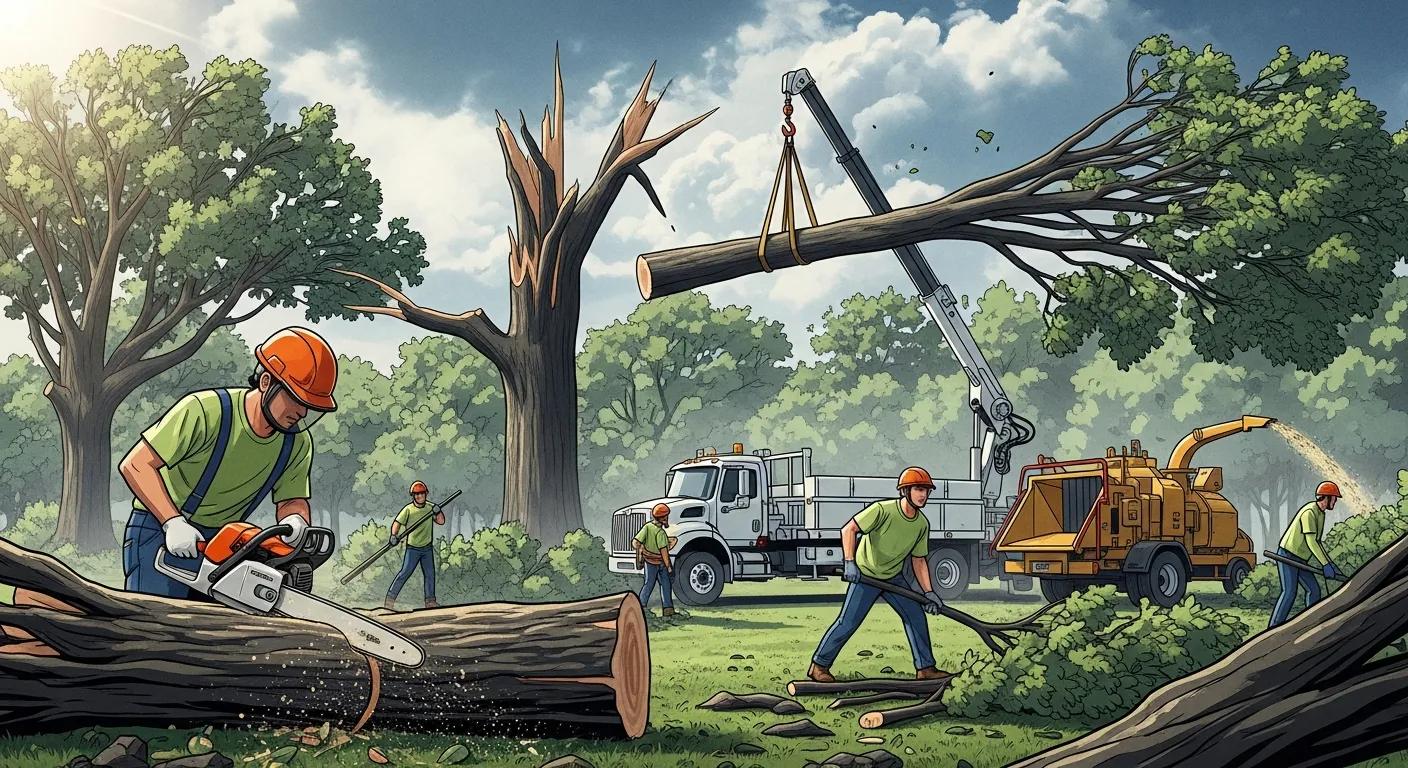
Emergency Storm Damage Tree Cleanup in Phoenix
Swift Storm Damage Tree Cleanup
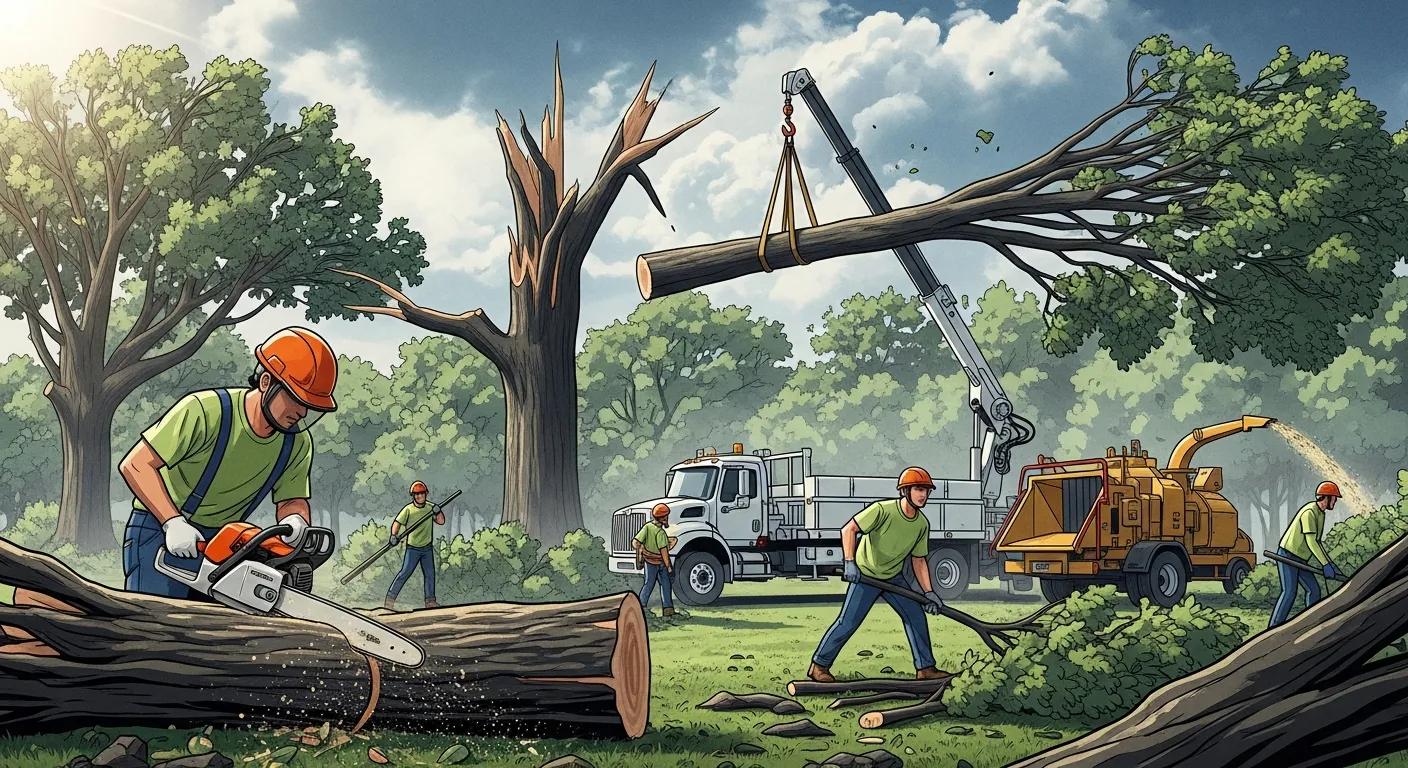
Arbor Barber offers emergency storm damage tree cleanup services in Phoenix, providing fast and reliable tree removal and safety services to secure your property after a storm. When storms strike, the aftermath can leave homeowners facing hazardous tree conditions that pose risks to safety and property. This article will guide you through the immediate steps to take after storm damage, the costs associated with emergency tree removal, and how Arbor Barber can assist you in these critical situations. Additionally, we will explore how homeowners can prepare their trees for monsoon season and best practices for fallen tree cleanup.
What Are the Immediate Steps After Storm Damage to Trees in Phoenix?
The immediate steps after storm damage to trees in Phoenix include contacting a professional arborist for an assessment and emergency storm cleanup. They can evaluate the damage, ensure safety, and provide necessary care to secure your property and promote tree health.
How to Safely Assess Fallen and Hazardous Trees on Your Property
To safely assess fallen and hazardous trees on your property, you should:
Look for Signs of Hazard: Check for visible damage, such as broken branches, leaning trees, or signs of disease (e.g., wilting leaves, peeling bark).
Consult a Professional: If you notice any hazards, it's essential to consult a professional arborist for a thorough assessment and care.
Report Hazards: If a tree poses a significant risk, contact your local municipal office or tree care service to report it. Provide details about the tree's location and the specific hazards it presents.
Regular Inspections: Schedule regular inspections with an arborist to ensure ongoing safety and health of your trees.
When to Call Emergency Tree Removal Services in Phoenix
You should call emergency tree removal services in Phoenix when you experience storm damage, hazardous tree conditions, or any situation where a tree poses a risk to safety or property. Prompt action can prevent further damage and ensure the safety of your home and family.
How Much Does Emergency Tree Removal and Storm Cleanup Cost in Phoenix?
Understanding the pricing of these services is crucial for homeowners. Various factors can influence the pricing of these services.
What Factors Affect Emergency Tree Removal Pricing in Phoenix?
The factors that affect emergency tree removal pricing in Phoenix include the size and type of the tree, the complexity of the job, accessibility, and any required equipment or permits. Here’s a breakdown of these factors:
ServiceCost FactorDescriptionTree SizeLarge vs. SmallLarger trees typically require more resources and time to remove.Job ComplexitySimple vs. ComplexComplex jobs may involve multiple trees or difficult access, increasing costs.AccessibilityEasy vs. DifficultTrees in hard-to-reach areas may require special equipment, raising the price.Equipment NeedsStandard vs. SpecializedSpecialized equipment for large or hazardous trees can add to the overall cost.
Does Homeowners Insurance Cover Storm Damage Tree Removal?
Homeowners insurance may cover storm damage tree removal, but coverage varies by policy and insurer. It's essential to review your insurance policy or consult with your insurance agent to understand what is included and the claims process.
How Does Arbor Barber Provide Expert Emergency Storm Damage Tree Cleanup in Phoenix?
Arbor Barber provides expert emergency storm damage tree cleanup in Phoenix through rapid response to storm damage, ensuring the safety and security of your property. Their professional crews are trained to handle storm-related hazards quickly and efficiently, allowing homeowners to relax while they manage the cleanup. They emphasize clear communication, integrity, and a commitment to leaving your yard cleaner than they found it.
What Makes Arbor Barber’s Emergency Tree Service Reliable and Fast?
Arbor Barber's Emergency Tree Service is reliable and fast due to their quick response times, understanding that storm damage and safety hazards require immediate attention. They provide clear, honest estimates with no hidden fees, ensuring transparency in pricing. Additionally, their professional crews are known for showing up on time and handling the work efficiently, leaving the yard cleaner than they found it. This combination of prompt service, integrity, and skilled labor contributes to their reliability and speed in emergency situations.
Which Emergency Tree Services Does Arbor Barber Offer in Phoenix?
Emergency Tree Removal: Quick removal of hazardous trees to ensure safety.
Storm Damage Cleanup: Comprehensive cleanup of debris and fallen branches.
Hazardous Tree Assessment: Professional evaluation of tree health and safety risks.
How Can Phoenix Homeowners Prepare Trees for Monsoon Season to Prevent Storm Damage?
Preparing trees for monsoon season is essential for minimizing storm damage. Homeowners can take proactive steps to ensure their trees are healthy and resilient.
What Are Common Monsoon Tree Damages and Warning Signs?
Common monsoon tree damages include broken branches, uprooted trees, and bark stripping. Warning signs to look for include:
Leaning Trees: Indicating instability and potential for falling.
Cracked Bark: Suggesting internal damage or disease.
Excessive Leaf Drop: A sign of stress or health issues.
Research further highlights how specific tree characteristics can influence their susceptibility to storm damage.
Urban Tree Removal & Repair After Ice Storms
A damage survey of parkway trees in Urbana, Illinois was made to determine critical removal and repair needs of trees immediately following a severe ice storm. Siberian elm, honeylocust, Bradford pear, common Hackberry, pin oak, sycamore, green ash, and tuliptree were among the 25 major parkway tree species that sustained considerable ice damage. Larger diameter trees with broader crowns incurred most of the ice damage. Fine branching pattern, structural weakness, and higher degrees of lateral branching were associated with greater incidence of ice damage.
Ice storm damage to urban trees, RJ Hauer, 1993
What Tree Care Practices Reduce Storm Damage Risks in Phoenix?
To reduce storm damage risks, homeowners should consider the following tree care practices:
Regular Maintenance: Schedule regular assessments to check for overgrown branches, dead or diseased limbs, and obstructing growth patterns. Pruning can promote healthy development and reduce hazards.
Monitor Tree Health: Look for signs of disease such as wilting leaves, unusual growths, or dead branches. Consult a professional if you notice these symptoms.
Proper Watering and Fertilization: Ensure your trees receive adequate water and nutrients throughout the year to maintain their health and resilience.
What Are the Best Practices for Fallen Tree Cleanup and Debris Removal in Phoenix?
After a storm, effective cleanup of fallen trees and debris is crucial for safety and property protection.
How Is Fallen Tree Debris Safely Removed After a Storm?
Fallen tree debris should be removed by professionals who can ensure safety during the cleanup process. They will use appropriate equipment and techniques to handle large branches and tree trunks safely.
How to Prevent Future Fallen Trees and Property Damage?
To prevent future fallen trees and property damage, consider the following steps:
Regular Tree Maintenance: Schedule regular assessments to check for overgrown branches, dead or diseased limbs, and obstructing growth patterns. Pruning can promote healthy development and reduce hazards.
Monitor Tree Health: Look for signs of disease such as wilting leaves, unusual growths, or dead branches. Consult a professional if you notice these symptoms.
Proper Watering and Fertilization: Ensure your trees receive adequate water and nutrients throughout the year to maintain their health and resilience.
Pest Management: Regularly monitor for pests that can weaken trees, and take action to manage infestations promptly.
Consult an Arborist: Hire a certified arborist for professional assessments and care, especially for trees that require special attention due to their species or health issues.
Emergency Preparedness: Be proactive in storm preparation by assessing tree stability and removing any hazardous trees before severe weather events.
By implementing these practices, you can enhance the safety and health of your trees, reducing the risk of future damage.
Beyond immediate storm impact, the long-term health and management of trees play a significant role in their resilience, as further explored by research.
Understanding Wind-Thrown Trees & Storm Damage
Images of wind-thrown trees make for dramatic news coverage. The implied message in most coverage is that strong winds and heavy rain are the cause of the tree failure. However, is the storm the only cause of the tree falling? Many other, and often bigger, trees did not fall. This feature article reviews some of the current literature relating to windthrow of trees. The size and characteristics of tree canopies have a profound influence of the forces that winds exert on tree trunks and roots systems, while the characteristics of tree root systems often determine whether trees fail during storms. The results of a site inspection suggest that there may be other factors, such as the history of the tree and the history of management practices to which the tree has been exposed, which may contribute to its failure during a storm.
Wind-thrown trees: storms or management?, 2014
