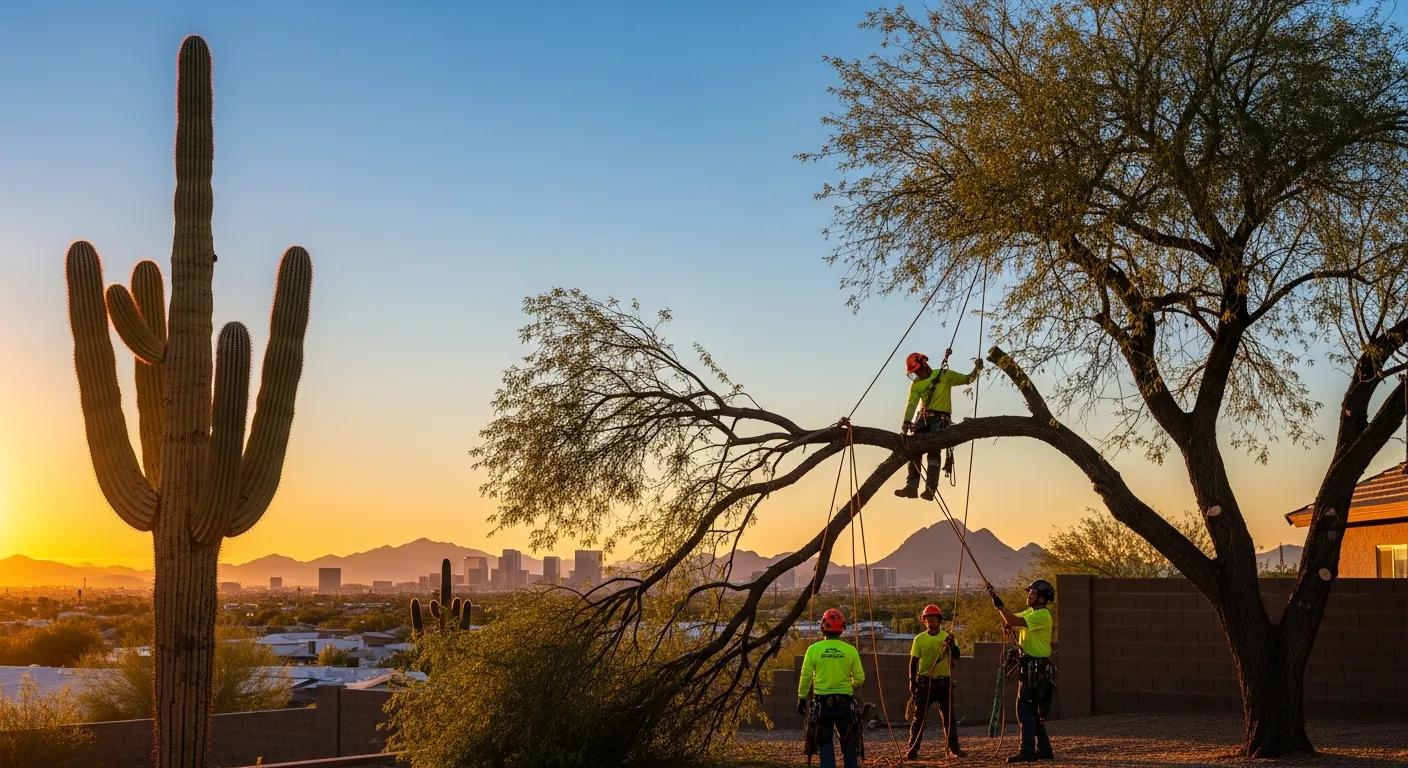
Safe & Affordable Tree Removal in Phoenix, AZ
Expert Tree Removal in Phoenix
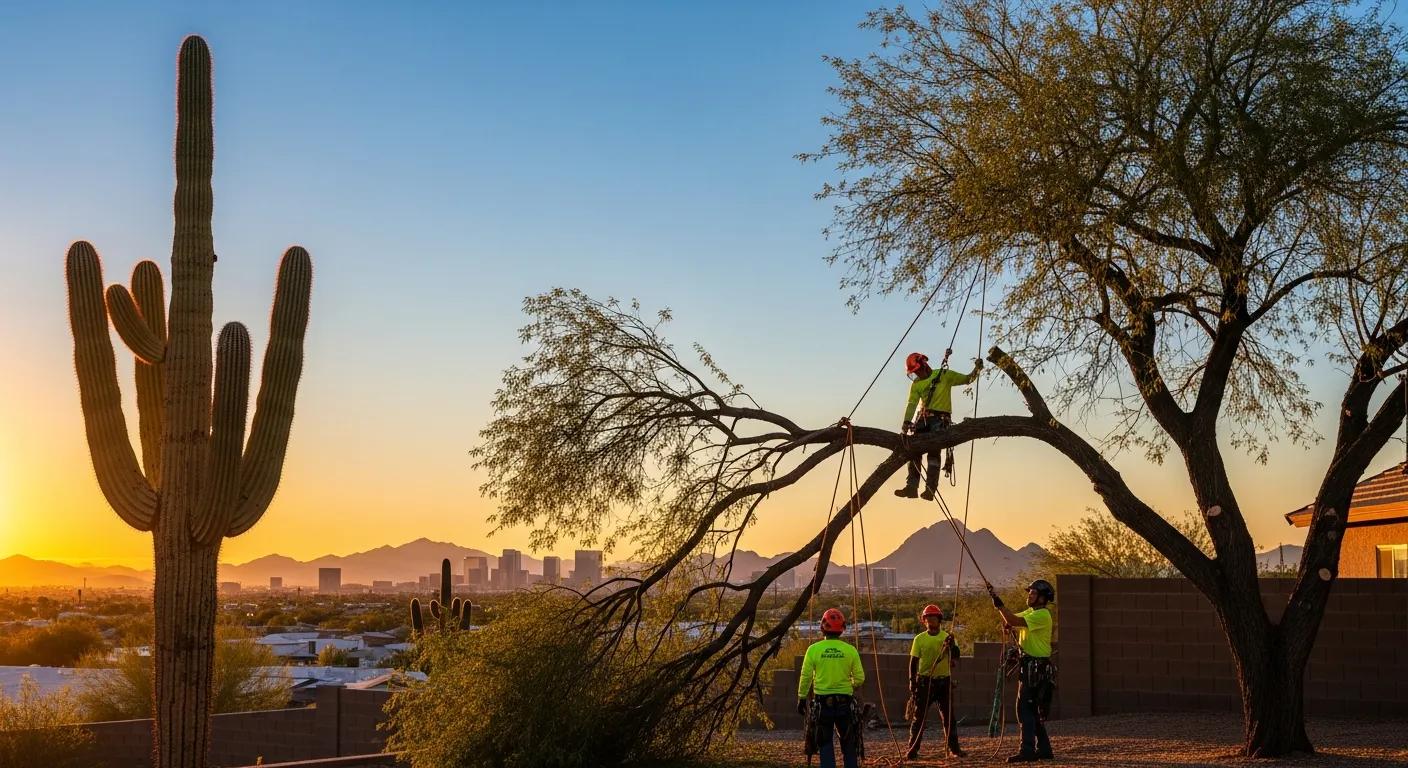
Tree removal is a critical service for homeowners and property managers in Phoenix, AZ, especially when dealing with hazardous or dead trees. Understanding the various tree removal services available can help ensure safety and compliance with local regulations. This article will explore the key services offered, the costs associated with tree removal, necessary permits, and essential safety tips. By the end, readers will have a comprehensive understanding of safe and affordable tree removal options in Phoenix, allowing them to make informed decisions.
While trees offer numerous benefits, it's also important to acknowledge their potential downsides, or 'disservices,' which often necessitate professional removal.
Urban Tree Disservices: Safety, Health & Management Costs
However, understanding how urban trees contribute to sustainability must also consider disservices. In this perspective article, we discuss recent research on ecosystem disservices of urban trees, including infrastructure conflicts, health and safety impacts, aesthetic issues, and environmentally detrimental consequences, as well as management costs related to ecological disturbances and risk management.
Beyond 'trees are good': Disservices, management costs, and tradeoffs in urban forestry, TM Conway, 2021
What Are the Key Safe Tree Removal Services Offered in Phoenix?
In Phoenix, several tree removal services cater to the needs of both residential and commercial properties. These services are designed to ensure safety, compliance, and the health of the surrounding environment.
- Hazardous Tree Removal: This service focuses on removing trees that pose a risk to people or property due to their condition or location. Professionals assess the tree's health and structural integrity before proceeding with removal.
- Dead Tree Removal: Removing dead trees is essential to prevent potential hazards and promote the health of nearby vegetation. This process involves evaluating the tree's condition and determining the best removal strategy.
- Stump Grinding: After a tree is removed, the stump can remain a tripping hazard. Stump grinding involves using specialized equipment to grind the stump down to below ground level, allowing for landscaping or new planting.
How Does Hazardous Tree Removal Ensure Safety and Compliance?

Hazardous tree removal is crucial for maintaining safety in residential and commercial areas. Professionals follow strict safety protocols to mitigate risks during the removal process. This includes assessing the tree for signs of decay, structural weakness, or proximity to power lines. Compliance with local regulations ensures that the removal process adheres to safety standards, protecting both workers and the public.
Indeed, the inherent dangers of arboricultural work underscore the critical need for these safety protocols, as highlighted by studies on industry incidents.
Arboricultural Safety: Fatal & Nonfatal Incident Review
The objective of this study was to identify and quantify the hazards present during arboricultural operations. The Occupational Safety and Health Administration Fatality and Catastrophe incident database and other Bureau of Labor Statistic sources were analyzed for arboricultural operation incidents within the 17-year period from 2001 through 2017. There were 865 fatal and 441 nonfatal incidents reviewed from this period. The leading four fatal incidents, from the largest to the smallest number of fatalities, were climber falls, workers struck by a falling tree, workers making indirect contact with an electric current, and workers struck by a falling branch. Climber falls were also the leading incident for severe nonfatal injuries, followed by ground workers struck by a falling branch, workers struck by a chain saw, and falls by aerial device operators.
A review of United States arboricultural operation fatal and nonfatal incidents (2001–2017):
Implications for safety training, J Ball, 2001
What Does Dead Tree Removal Involve for Residential and Commercial Properties?
Dead tree removal involves a systematic approach to ensure safety and efficiency. First, professionals assess the tree's condition to determine the best removal method. This may include obtaining necessary permits, especially for larger trees or those in protected areas. The removal process typically involves cutting the tree down in sections to minimize risk and ensure a safe operation.
How Much Does Affordable Tree Removal Cost in Phoenix?
The cost of tree removal in Phoenix can vary significantly based on several factors. Understanding these factors can help homeowners and property managers budget effectively for tree removal services.
What Factors Influence Tree Removal Pricing and Free Estimate Offers?
Several factors influence the pricing of tree removal services, including:
- Size and Type of Tree: Larger trees or those with complex structures typically cost more to remove due to the increased labor and equipment required.
- Job Complexity: Trees located near structures or power lines may require additional safety measures, impacting the overall cost.
- Accessibility: If a tree is difficult to access, such as being in a narrow space or on a steep slope, this can increase labor costs.
Many companies, including Arbor Barber Tree Services, offer free estimates to help clients understand potential costs before committing to services.
Are Emergency Tree Removal Services Available and How Are They Priced?
Emergency tree removal services are available for situations where immediate action is necessary, such as after a storm or when a tree poses an imminent threat. Pricing for emergency services can vary based on the urgency of the situation and the complexity of the removal. Typically, these services may come at a premium due to the need for rapid response and specialized equipment.
What Permits and Legal Requirements Are Needed for Tree Removal in Phoenix?

Before proceeding with tree removal, it is essential to understand the legal requirements and permits needed in Phoenix. This ensures compliance with local regulations and avoids potential fines.
Which Tree Removal Permits Are Required by Local Authorities?
In Phoenix, tree removal permits are generally required for protected species such as Palo Verde, Mesquite, Ironwood, and Palo Brea trees, or for trees located in designated historic or conservation areas. Homeowners should check with the City of Phoenix Planning and Development Department or local municipal codes to determine if a permit is necessary for their specific situation. The application process typically involves submitting details about the tree and the reason for removal.
How Does Insurance Coverage Apply to Hazardous Tree Removal?
Insurance coverage is an important consideration for hazardous tree removal. Homeowners should verify that their insurance policy covers tree removal services, particularly in cases where the tree poses a risk to property. Understanding liability considerations can help homeowners navigate potential claims related to tree removal.
What Are Essential Tree Removal Safety Tips and Certified Arborist Qualifications?
Safety is paramount during tree removal, and understanding best practices can help prevent accidents and injuries.
- Hire Certified Arborists: Always choose certified arborists for tree removal services. Their training ensures they understand the complexities of tree care and removal.
- Use Proper Equipment: Professionals should use appropriate safety gear and equipment to minimize risks during the removal process.
- Follow Local Regulations: Adhering to local laws and regulations regarding tree removal is essential for safety and compliance.
How Do Safety Certifications Impact Tree Removal Quality?
Safety certifications play a crucial role in ensuring high-quality tree removal services. Certified arborists are trained in the latest safety protocols and techniques, which significantly reduces the risk of accidents. Their expertise ensures that trees are removed efficiently and safely, protecting both the workers and the surrounding environment.
What Are Best Practices for Tree Stump Removal and Pruning Services?
Effective stump removal and tree pruning are essential for maintaining a healthy landscape. Best practices include:
- Stump Grinding Techniques: Using specialized equipment to grind stumps below ground level prevents regrowth and allows for landscaping.
- Pruning Methods: Proper pruning techniques promote healthy tree growth and reduce the risk of disease. Certified arborists can provide guidance on the best methods for specific tree types.
- Professional Standards: Adhering to industry standards ensures that tree care services are performed safely and effectively.
By following these guidelines, homeowners and property managers can ensure safe and affordable tree removal in Phoenix, AZ, while maintaining the health and safety of their properties.
