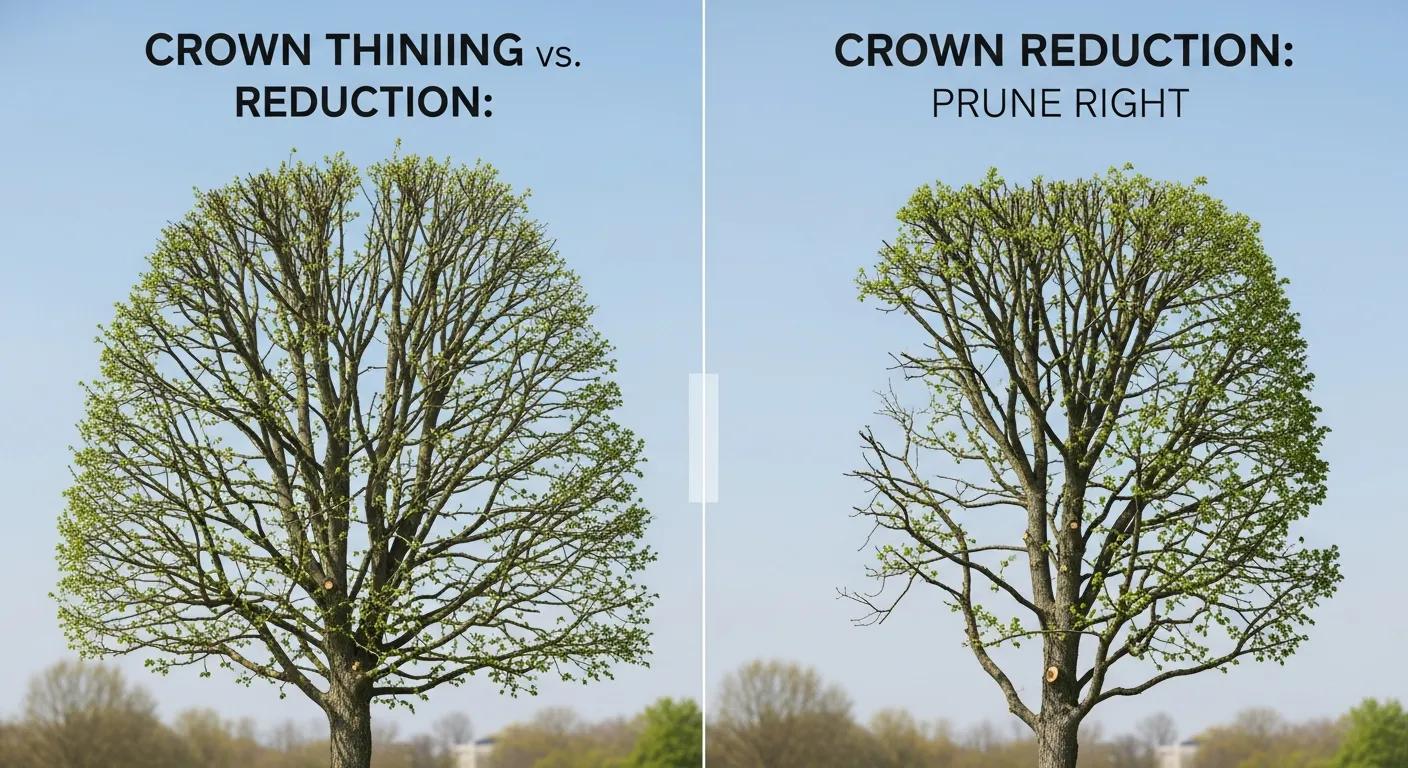
Crown Thinning vs. Reduction: Which is Right for Your Tree?
Crown Thinning vs. Reduction: Prune Right
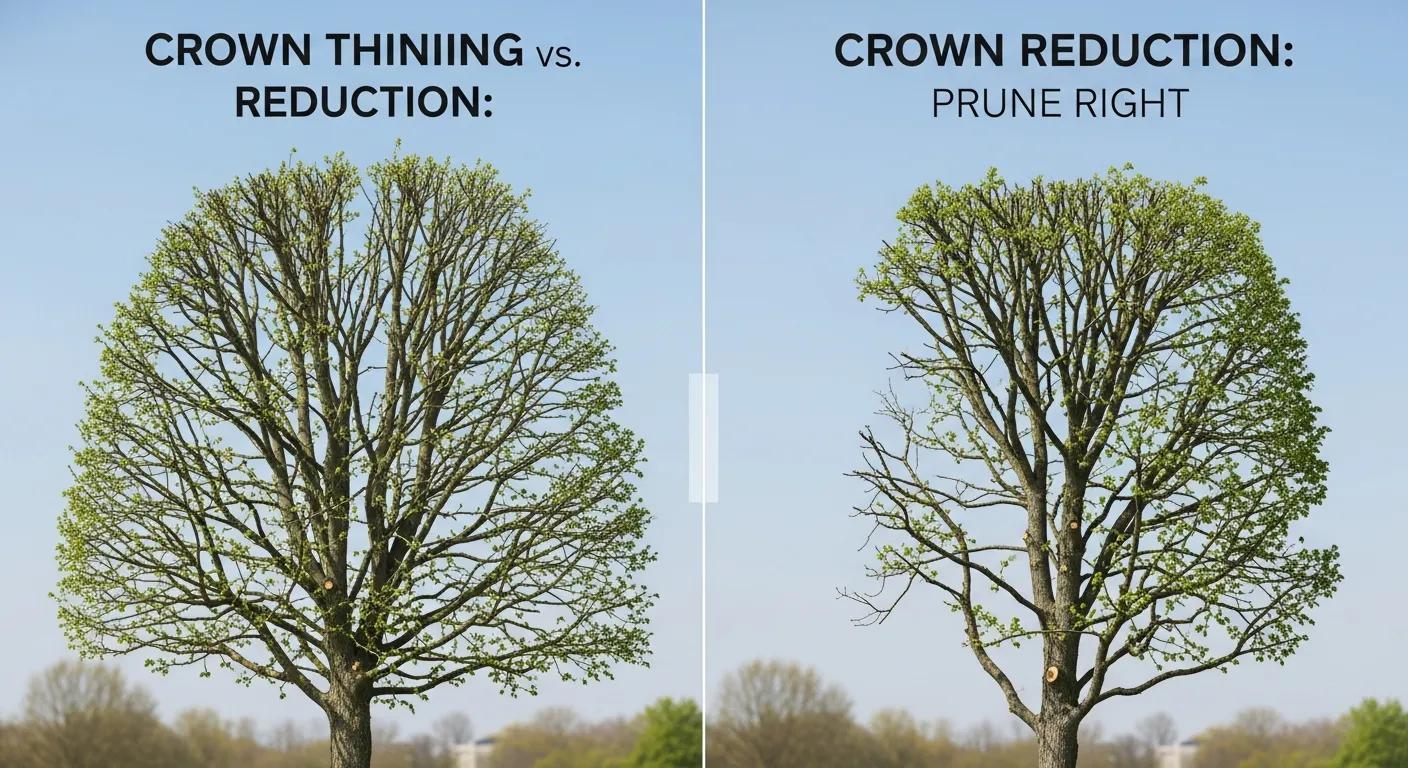
When it comes to maintaining the health and aesthetics of your trees, understanding the differences between crown thinning and crown reduction is essential. This article will explore these two tree pruning techniques, their benefits, and how to choose the right method for your specific tree care needs. Crown thinning focuses on improving light penetration and air circulation, while crown reduction aims to control tree size and enhance safety. Many homeowners and property managers face challenges in managing tree growth, which can lead to safety hazards or diminished property value. By understanding these pruning methods, you can make informed decisions that promote healthy tree growth and enhance your landscape. We will cover the definitions, benefits, and ideal scenarios for each method, as well as the importance of professional arborist care.
What Is Crown Thinning and How Does It Benefit Your Tree?
Crown thinning is a selective pruning technique that involves the removal of specific branches to improve light penetration and air circulation within the tree canopy. This method enhances the overall health of the tree by allowing more sunlight to reach the inner branches and foliage, promoting better growth and reducing the risk of disease. The primary benefit of crown thinning is that it helps maintain the tree's natural shape while improving its vitality.
Further research delves into the specifics of crown thinning, offering a comparative analysis of its techniques and long-term effects on tree health.
Comparative Analysis of Crown Thinning Techniques
This article presents a summary of experimental results from plantations established 20–30 years ago and explains concepts of the theory, methods, and regime of thinning in permanent sample plots of pine stands in Gatchinsky forest of the Leningrad region. The research results allow for the clarification of growth patterns and age dynamics of pine stands subject to heavy, low thinning, as well as the results of applying the crown (high) thinning technique and a mixed treatment.
Comparative analysis of thinning techniques in pine forests, O Grigoreva, 2022
What Are the Key Objectives of Tree Crown Thinning?
Increase Light Penetration: By selectively removing branches, more sunlight can reach the lower parts of the tree, encouraging healthy growth.
Improve Air Circulation: Enhanced airflow reduces humidity within the canopy, which can help prevent fungal diseases and promote overall tree health.
Maintain Aesthetic Appeal: Thinning helps preserve the tree's natural shape while reducing overcrowding, resulting in a more visually appealing landscape.
Which Tree Types and Conditions Are Ideal for Crown Thinning?
Crown thinning is particularly effective for certain tree species and conditions, including:
Deciduous Trees: Species like oak, maple, and birch benefit from thinning as they tend to develop dense canopies.
Mature Trees: Older trees that have become overcrowded can regain health and vitality through thinning.
Healthy Trees: Thinning should only be performed on trees that are healthy and free from disease to ensure the best results.
What Is Crown Reduction and When Should It Be Used?
Crown reduction is a pruning technique that involves reducing the height and spread of a tree's canopy. This method is often used to enhance safety by minimizing the risk of falling branches and ensuring that trees do not interfere with structures or power lines. Crown reduction is particularly beneficial for trees that have outgrown their space or pose a hazard to nearby properties.
How Does Crown Reduction Control Tree Size and Enhance Safety?
Reducing Height: Lowering the tree's height decreases the likelihood of branches falling during storms or high winds.
Minimizing Spread: By reducing the canopy's width, the tree is less likely to encroach on structures or power lines, preventing potential hazards.
Promoting Health: When done properly, crown reduction can help maintain the tree's health by preventing overcrowding and allowing for better light and air access.
What Scenarios and Tree Species Benefit Most from Crown Reduction?
Urban Environments: Trees in cities often require reduction to prevent interference with buildings and infrastructure.
Overgrown Trees: Trees that have become too large for their location can benefit from reduction to maintain safety and aesthetics.
Certain Species: Fast-growing species like willows and poplars may require regular reduction to manage their size effectively.
How Do Crown Thinning and Crown Reduction Differ?
What Are the Main Differences in Purpose and Impact Between Thinning and Reduction?
TechniquePurposeImpact on Tree HealthCrown ThinningImprove light and air circulationEnhances overall vitality and growthCrown ReductionControl size and enhance safetyCan maintain structure but may stress the tree if done improperly
How Do Pruning Techniques Affect Tree Health, Structure, and Appearance?
Pruning techniques significantly influence tree health, structure, and appearance. Crown thinning promotes a healthier tree by allowing light and air to penetrate the canopy, while crown reduction focuses on safety and size control. Both methods, when applied correctly, can enhance the aesthetic appeal of the landscape and ensure the longevity of the tree.
When Should You Choose Crown Thinning vs. Crown Reduction?
What Factors Determine the Best Pruning Method for Your Tree?
Tree Health: Healthy trees are better suited for thinning, while those needing size control may require reduction.
Location: Trees near structures or power lines may necessitate reduction to prevent hazards.
Species Characteristics: Different species respond uniquely to pruning techniques, influencing the choice of method.
How Do Local Phoenix Tree Species and Climate Influence Pruning Choices?
In Phoenix, the local climate and tree species play a significant role in pruning decisions. Common species like mesquite and palo verde may require different approaches based on their growth patterns and environmental conditions. Understanding these local factors is essential for effective tree care.
Why Is Professional Arborist Care Essential for Crown Thinning and Reduction?
Professional arborist care is crucial for both crown thinning and reduction to ensure the health and safety of your trees. Improper pruning can lead to long-term damage and health issues.
What Are the Risks of Improper Pruning and Tree Topping?
Weak Growth: Topping can lead to weak regrowth, making trees more susceptible to disease and structural failure.
Increased Hazard: Poorly pruned trees may develop unstable branches that pose safety risks.
Aesthetic Damage: Incorrect pruning can ruin the natural shape and beauty of the tree.
How Does Arbor Barber Ensure Safe, Expert Tree Pruning in Phoenix?
Arbor Barber ensures safe, expert tree pruning in Phoenix by employing professional crews that provide safe, precise, and clean cuts to promote healthy growth. They emphasize clear communication, integrity, and respect for the client's property, ensuring that the yard is left cleaner than they found it. Their skilled team is knowledgeable in caring for all tree types and addresses common property challenges effectively.
What Are the Benefits of Proper Tree Pruning for Your Property?
The benefits of proper tree pruning for your property include enhanced safety, improved tree health, and increased property value. Regular pruning helps prevent hazards, promotes growth, and enhances the aesthetic appeal of your landscape, ensuring a beautiful and safe environment. Additionally, it allows for better sunlight and air circulation, which can further improve tree growth.
How Does Pruning Improve Tree Health, Safety, and Aesthetics?
Pruning improves tree health by removing dead or overcrowded branches, which allows for better sunlight and air circulation, promoting healthy development. It enhances safety by preventing hazards from falling branches and improves aesthetics by maintaining the tree's appearance and overall landscape appeal. Regular maintenance, including pruning, contributes to increased property value and ensures a beautiful and safe environment.
How Can Crown Thinning and Reduction Enhance Property Value and Storm Resilience?
Crown thinning and reduction can enhance property value by improving the aesthetic appeal of the landscape and ensuring the health of the trees. Regular tree maintenance, including these practices, contributes to increased property value by preventing hazards and promoting growth. Additionally, properly maintained trees are more resilient to storms, as they can better withstand high winds and reduce the risk of falling branches, thereby enhancing storm resilience.
