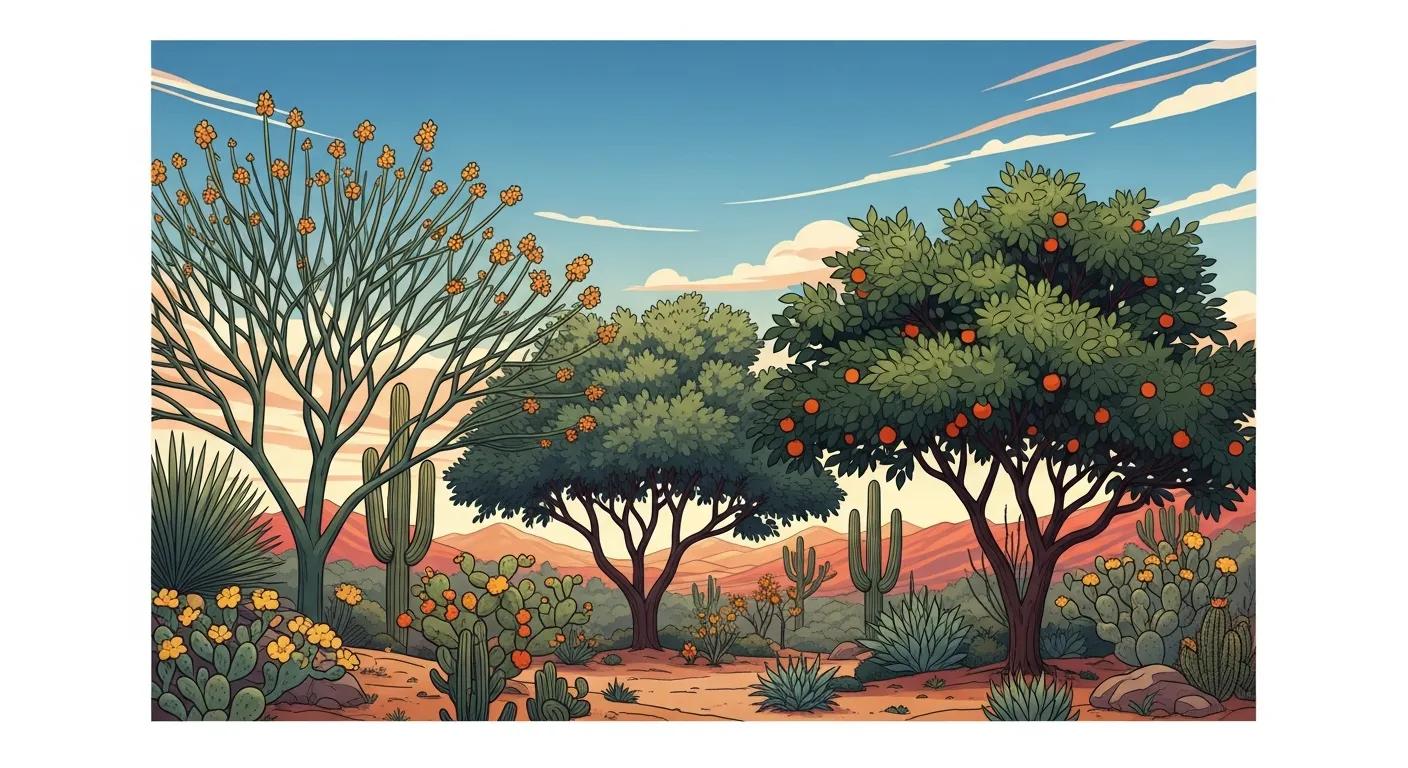
Best Trees to Plant in Phoenix: A Comprehensive Guide
Top Trees for Phoenix Homes
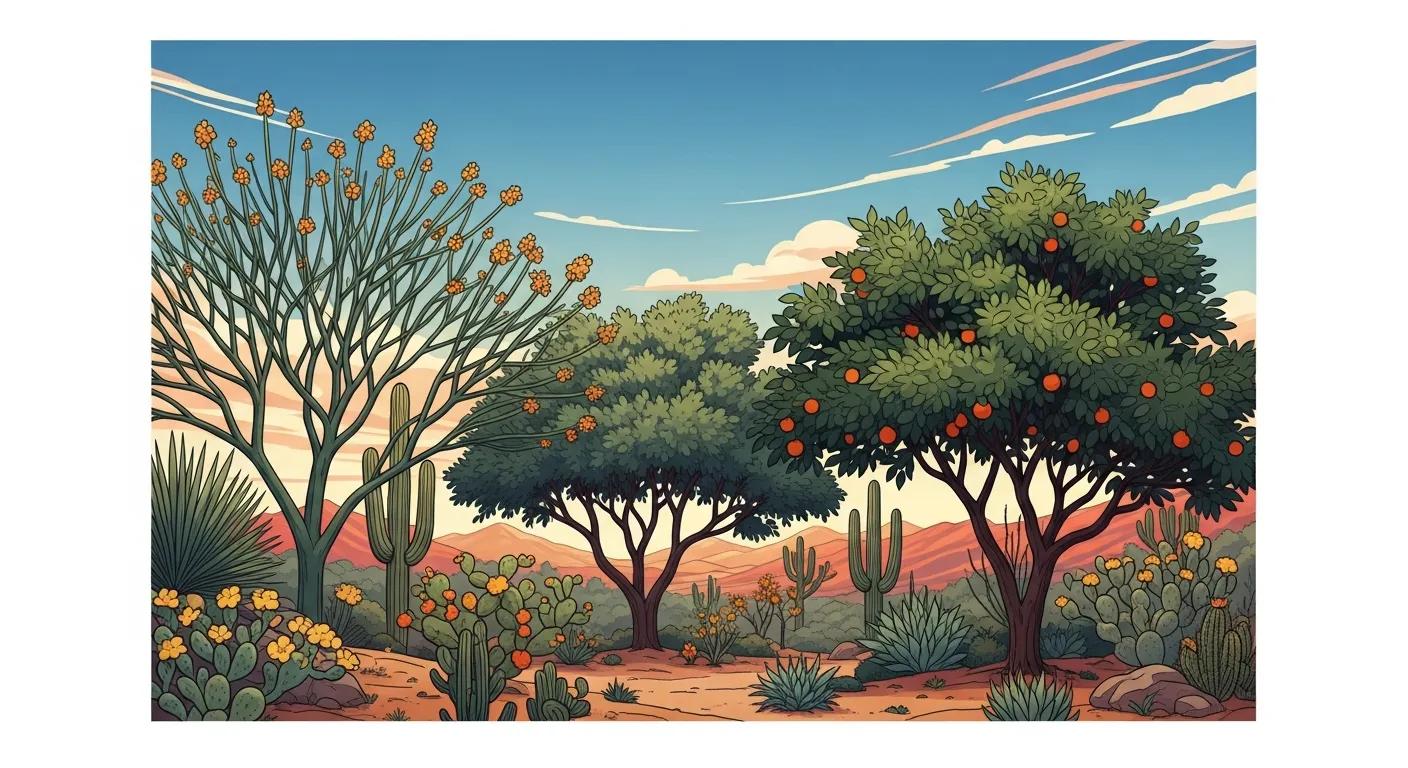
Selecting the right trees for your landscape in Phoenix is crucial for ensuring their survival and enhancing your property’s aesthetic appeal. This comprehensive guide will explore the best trees to plant in Phoenix, considering the unique climate challenges and the benefits of various tree species. Homeowners and property managers alike can benefit from understanding which trees thrive in the desert environment, how to care for them, and the long-term advantages they provide. With the right choices, you can create a beautiful, sustainable landscape that withstands the heat and drought conditions typical of the region. This article will cover key climate challenges, drought-tolerant trees, shade trees, native desert trees, and the importance of professional tree planting and care.
This guide aims to provide comprehensive insights into selecting and caring for trees in Phoenix, a topic further elaborated by expert resources.
Phoenix Desert Tree Selection & Care Guide
basic techniques, the gardener can make the most of desert trees and the dense branches of most desert trees provide favored plant for street sides and public plantings in Phoenix and Gardening in the Desert: A Guide to Plant Selection & Care, 2000
What Are the Key Climate Challenges for Growing Trees in Phoenix?
Growing trees in Phoenix presents unique challenges due to its extreme climate. The region experiences intense heat, prolonged drought, and seasonal monsoons, all of which can significantly impact tree survival and health. Understanding these factors is essential for selecting the right species and implementing effective care strategies.
How Do Heat, Drought, and Monsoon Seasons Affect Tree Survival?
The extreme heat in Phoenix can lead to increased water evaporation, stressing trees that are not adapted to such conditions. Drought conditions further exacerbate this issue, making it essential to choose drought-resistant species. Additionally, the monsoon season can bring heavy rains and strong winds, which can damage trees that are not well-established. Selecting trees that can withstand these fluctuations is vital for ensuring their longevity.
Why Is Water-Wise Landscaping Essential in Phoenix?
Water-wise landscaping is crucial in Phoenix due to the limited water resources available. Implementing strategies such as mulching, using drought-tolerant plants, and efficient irrigation systems can significantly reduce water usage. Choosing trees that require less water not only conserves this precious resource but also promotes a healthier landscape that thrives in the desert environment.
Which Drought Tolerant Trees Thrive in Phoenix Landscapes?
Drought-tolerant trees are essential for sustainable landscaping in Phoenix. These trees are adapted to survive with minimal water, making them ideal for the region's arid climate.
What Are the Top Drought-Tolerant Trees for Phoenix?
Desert Willow (Chilopsis linearis): This tree features beautiful, trumpet-shaped flowers and can thrive with minimal water.
Mesquite (Prosopis spp.): Known for its resilience, the mesquite tree provides shade and requires very little irrigation.
Palo Verde (Parkinsonia spp.): The state tree of Arizona, Palo Verde is well-suited for the desert and offers vibrant yellow blooms.
How Do These Trees Conserve Water and Benefit Your Property?
Drought-tolerant trees conserve water by utilizing deep root systems that access moisture from the soil. They also reduce the need for frequent irrigation, which can lower water bills and maintenance costs. Additionally, these trees enhance property aesthetics and provide shade, contributing to energy savings by cooling surrounding areas.
What Are the Best Shade Trees to Plant in Phoenix?
Shade trees are vital for providing relief from the intense Phoenix sun. Selecting the right species can lead to significant energy savings and improved comfort in outdoor spaces.
Which Shade Trees Provide Optimal Cooling and Energy Savings?
Arizona Ash (Fraxinus velutina): This fast-growing tree provides ample shade and is well-adapted to the local climate.
Chinese Elm (Ulmus parvifolia): Known for its durability, the Chinese Elm offers dense foliage and excellent shade.
Desert Museum Palo Verde (Parkinsonia 'Desert Museum'): This cultivar of Palo Verde provides good shade and is well-suited to the desert environment.
How Fast Do These Shade Trees Grow and What Maintenance Do They Require?
Shade trees like the Arizona Ash can grow rapidly, providing shade within a few years. Regular maintenance, including pruning and monitoring for pests, is essential to ensure their health and longevity. Proper watering during establishment and periodic fertilization can also enhance growth rates and overall vitality.
Why Choose Native Desert Trees for Your Phoenix Yard?
Native desert trees are particularly well-suited for Phoenix landscapes due to their adaptation to local conditions. These trees require less water and maintenance, making them an excellent choice for sustainable landscaping.
What Are the Key Native Sonoran Desert Trees Suitable for Phoenix?
Ironwood (Olneya tesota): Known for its strength and durability, the Ironwood tree supports local ecosystems and requires minimal water.
Palo Verde (Parkinsonia spp.): The state tree of Arizona, Palo Verde is native to the Sonoran Desert and offers vibrant yellow blooms.
Acacia (Acacia spp.): Various species of Acacia thrive in the desert, offering shade and beautiful blooms.
Note: The Saguaro Cactus (Carnegiea gigantea) is a cactus, not a tree, and while iconic, it is protected and should not be planted in residential landscapes.
How Do Native Trees Support Local Ecology and Reduce Maintenance?
Native trees play a crucial role in supporting local wildlife and maintaining ecological balance. They require less water and are more resistant to local pests and diseases, reducing the need for chemical treatments. By planting native species, homeowners can create a sustainable landscape that benefits both the environment and their property.
How Do You Select the Right Tree for Your Phoenix Property?
Choosing the right tree for your property involves assessing various factors, including sun exposure, soil type, and available space.
How Should You Assess Sun Exposure, Soil Type, and Space?
When selecting a tree, consider the amount of sunlight the area receives throughout the day. Different species have varying light requirements, so understanding your landscape's conditions is essential. Additionally, soil type can affect tree growth; sandy soils may require different species than clay soils. Finally, ensure there is enough space for the tree to grow without interfering with structures or other plants.
What Maintenance Factors Like Litter and Root Systems Should You Consider?
Maintenance factors such as leaf litter and root systems are important when selecting trees. Some species may produce significant litter, which can require additional cleanup. Additionally, understanding the root system is crucial to avoid potential damage to sidewalks, foundations, or underground utilities. Choosing trees with manageable root systems can help mitigate these issues.
Why Is Professional Tree Planting and Care Important in Phoenix?
Professional tree planting and care in Phoenix is important because it involves selecting the right tree species for the local climate, ensuring proper planting techniques, and providing ongoing care. This promotes healthy growth and enhances the aesthetic appeal of properties. Additionally, professional intervention is necessary to address common tree problems such as pest infestations, diseases, poor health, structural issues, and storm damage, which can compromise safety and aesthetics.
What Are the Benefits of Professional Planting Techniques for Desert Trees?
Professional planting techniques ensure that trees are planted at the correct depth and spacing, which is crucial for their establishment and growth. Experts can also select the best species for specific locations, taking into account factors like soil type and sun exposure. This tailored approach leads to healthier trees that thrive in the desert environment.
How Can Ongoing Tree Health Services Enhance Tree Longevity?
Ongoing tree health services can enhance tree longevity by providing regular assessments, proper pruning, and maintenance practices such as watering and mulching. These services help prevent hazards, promote healthy growth, and improve overall tree health, which contributes to a longer lifespan. Additionally, monitoring for pests and diseases and seasonal fertilization can further enhance vitality and resilience, ensuring trees remain robust over time.
Emphasizing the importance of a comprehensive approach, maintaining the health and longevity of Phoenix's urban trees requires thoughtful landscape design and ongoing management.
Phoenix Tree Health & Landscape Management
A holistic knowledge of the impact of landscape design and management practices on overall urban forest function is essential to ensure urban tree health and longevity. In Phoenix, the Tree health in Phoenix,
Arizona, US, 2013
Tree TypeWater NeedsGrowth RateBenefitsDesert WillowLowFastBeautiful flowers, attracts pollinatorsMesquiteLowModerateProvides shade, drought-resistantPalo VerdeLowFastState tree, vibrant blooms
In conclusion, selecting the right trees for your Phoenix landscape involves understanding the unique climate challenges and the benefits of various species. By choosing drought-tolerant and native trees, homeowners can create sustainable, beautiful landscapes that thrive in the desert environment. Professional tree planting and care further enhance the longevity and health of these trees, ensuring they provide shade, beauty, and ecological benefits for years to come.
