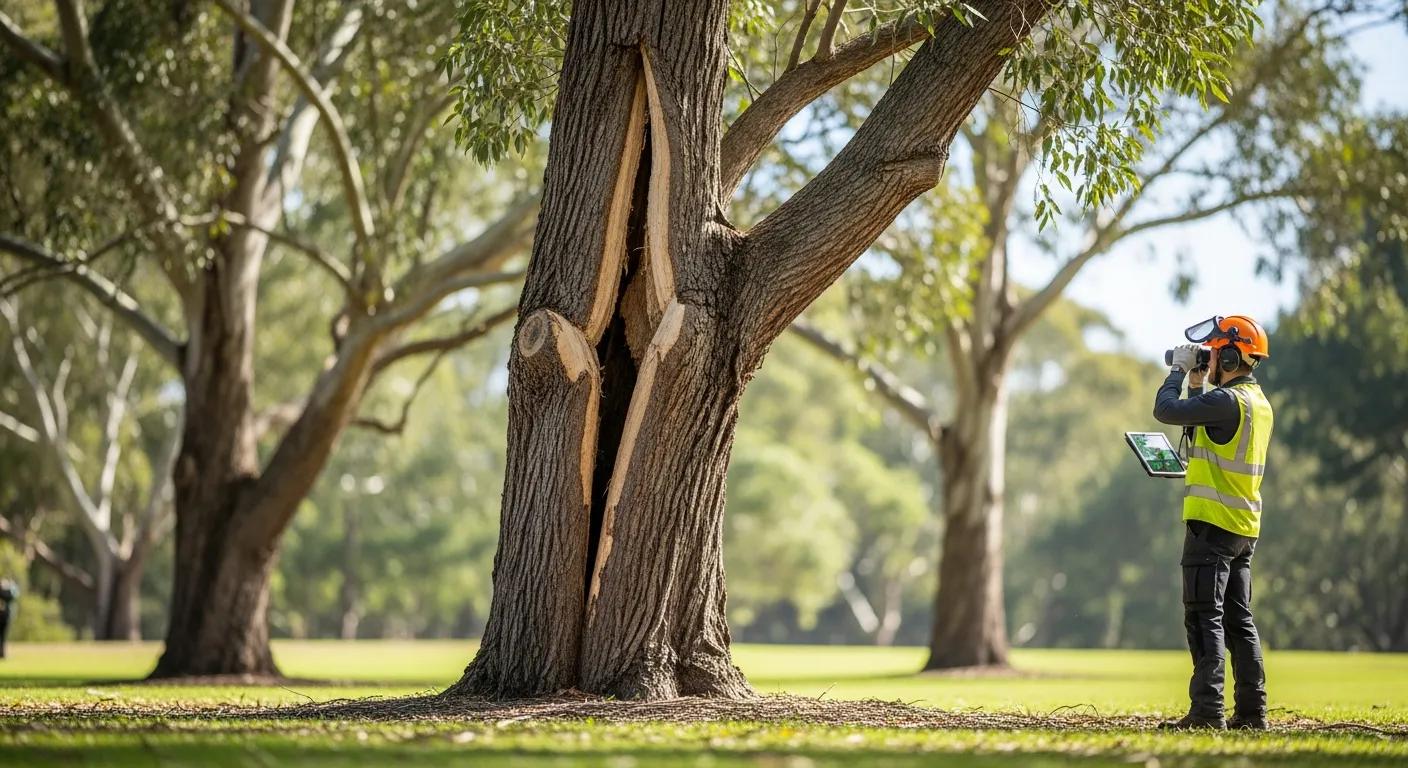
How to Identify a Hazardous Tree on Your Property
Spotting Hazardous Trees Safely
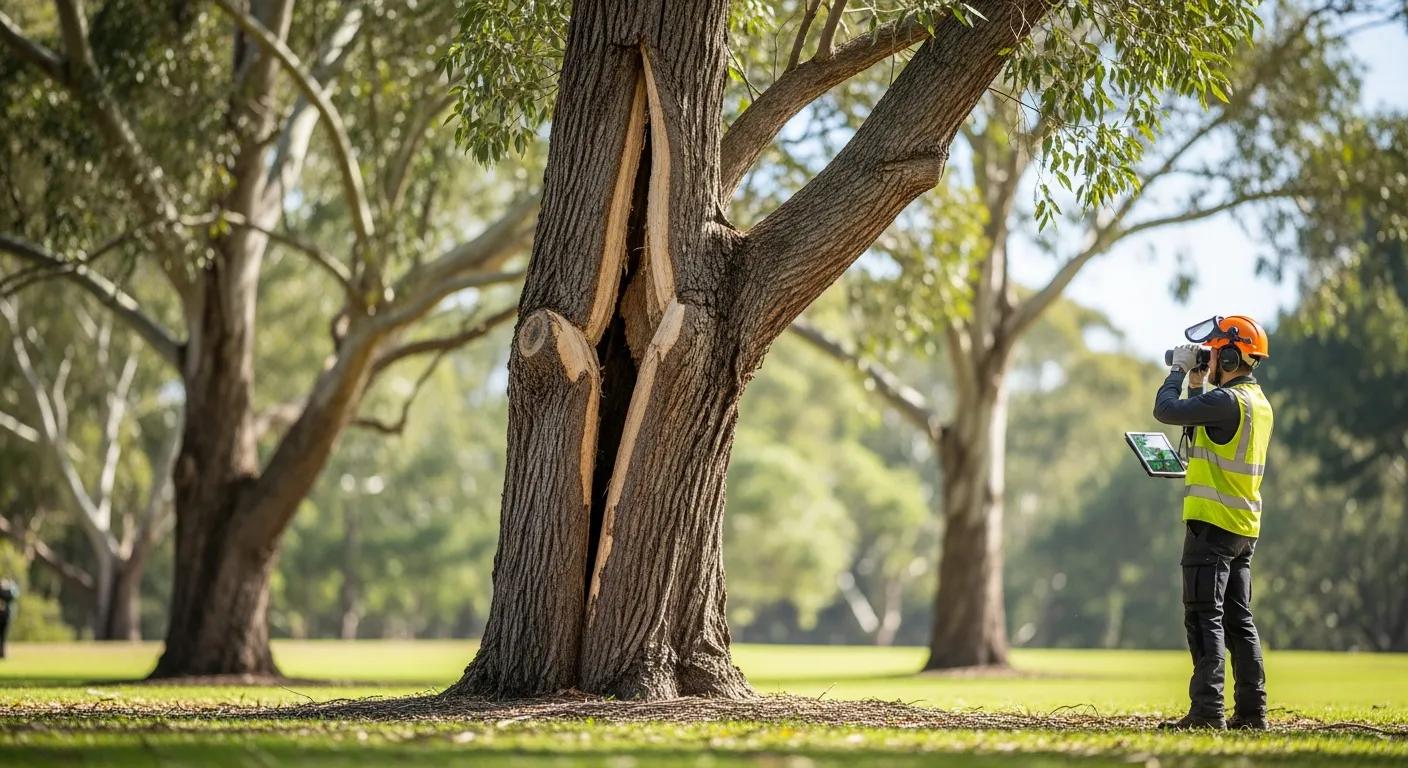
To identify a hazardous tree on your property, look for signs such as wilting or discolored leaves, unusual growths or fungi, peeling bark, dead branches, and structural issues like cracks or root damage. If you notice these symptoms, it's essential to consult a professional for assessment and care. Additionally, if you suspect a tree poses a hazard, you should report it to your local municipal office or tree care service for further evaluation. This article will guide you through the key signs of hazardous trees, common diseases and pests, when to call an arborist, and the next steps to take after identifying a hazardous tree.
What Are the Key Signs of a Hazardous or Dying Tree?
The key signs of a hazardous or dying tree include wilting or discolored leaves, unusual growths or fungi, peeling bark, dead branches, and structural defects such as cracks or root damage. If you notice these symptoms, it's essential to consult a professional for assessment and care. Recognizing these signs early can prevent potential hazards and ensure the safety of your property.
How to Recognize Dead or Broken Branches and Limbs
To recognize dead or broken branches and limbs, look for signs such as brittle or leafless branches, wilting or discolored leaves, unusual growths or fungi, and peeling bark. Regular assessments can help identify these issues and maintain tree health. Dead branches can pose a significant risk, especially during storms, making it crucial to address them promptly.
What Does a Leaning Tree Indicate About Root Stability?
A leaning tree often indicates compromised root stability, which can lead to potential hazards. If a tree is leaning significantly, it may be at risk of falling, especially during high winds or storms. Assessing the degree of lean and the condition of the surrounding soil can provide insights into the tree's stability and safety.
Which Tree Diseases and Pests Commonly Cause Hazardous Conditions in Phoenix?
Common pests affecting trees in Phoenix that can cause hazardous conditions include aphids, scale insects, spider mites, and borers such as the goldspotted oak borer. Additionally, tree diseases like oak wilt and root rot can contribute to hazardous conditions, necessitating professional intervention from an arborist. Understanding these threats is essential for maintaining the health of your trees.
How Do Fungus and Decay Affect Tree Safety?
Fungus and decay can significantly affect tree safety by compromising the structural integrity of the tree. Signs of a diseased tree, such as unusual growths or fungi, dead branches, and peeling bark, indicate potential hazards. If these symptoms are present, it is essential to consult a professional for assessment and care to ensure safety. Regular inspections can help catch these issues early.
What Are the Signs of Pest Infestations in Local Tree Species?
Signs of pest infestations in local tree species include visible insects on leaves or bark, webbing, holes or tunnels in wood, sawdust-like frass, and discolored or wilting foliage. Monitoring for these signs is crucial, as pests can weaken trees and make them more susceptible to diseases. If you notice any of these symptoms, it is advisable to contact a professional for a thorough evaluation.
When Should You Call an Arborist for a Professional Tree Risk Assessment?
You should call an arborist for a professional tree risk assessment when you notice common tree problems such as pest infestations, diseases, poor tree health, structural issues, or damage from storms. These issues can compromise the safety and aesthetics of your trees, necessitating professional intervention. Additionally, it's advisable to schedule an inspection at least once every 1-3 years depending on tree species and health, or annually for high-risk trees, to ensure proper care and address any potential issues.
Understanding the methodologies behind these assessments is crucial for effective tree risk management.
Tree Risk Assessment Methods & Arboriculture Standards
This paper outlines the theories related to tree risk and the development of tree risk assessment methods, including the Tree Risk Assessment Manual, published by the International Society for Arboriculture.
A review of research on tree risk assessment methods, 2022
What Does a Certified Arborist Inspect During a Tree Health Evaluation?
A Certified Arborist inspects various aspects during a tree health evaluation, including the overall health of the tree, signs of pest infestations, diseases, structural issues, and any visible damage. They assess growth patterns, root stability, and may recommend maintenance practices to promote tree health and safety. This thorough evaluation is essential for identifying potential hazards.
How Much Does a Tree Risk Assessment Typically Cost in Phoenix?
The average cost for tree risk assessments in Phoenix typically ranges from $75 to $200, depending on the size and complexity of the trees involved. Investing in a professional assessment can save homeowners from costly damages and ensure the safety of their property.
What Are the Next Steps After Identifying a Hazardous Tree?
After identifying a hazardous tree, the next steps involve reporting it to your local municipal office or tree care service if it poses a public risk. For private property, contacting a licensed tree care professional or certified arborist is recommended to evaluate and address the hazard. You should provide details about the tree's location and the specific hazards it poses. They will then assess the situation and take appropriate action. Prompt reporting and professional evaluation can prevent accidents and ensure timely intervention.
How Does the Tree Removal Process Work in Phoenix?
The tree removal process in Phoenix typically involves an initial assessment by a professional arborist, who will determine the safest method for removal. Factors such as the tree's size, location, condition, and proximity to structures or power lines will influence the approach taken. It is essential to follow local regulations and safety guidelines during this process to minimize risks. Permits may be required for removal of certain trees depending on local ordinances.
What Tree Health Treatments and Trimming Options Are Available?
The available tree health treatments and trimming options include:
Tree Trimming: Safe, precise cuts to promote healthy growth and remove hazardous limbs.
Tree Treatment: Insect and disease control to protect trees year-round.
Palm Tree Trimming: Specialized care for palm trees to keep them neat and reduce storm damage risk.
Regular Pruning: To remove dead or overcrowded branches, allowing better sunlight and air circulation.
These services help maintain tree health and enhance the aesthetic appeal of your landscape. Arbor Barber offers a range of professional tree care services to assist homeowners in maintaining their trees.
How Can Preventative Tree Care Help Maintain Property Safety?
Preventative tree care helps maintain property safety by enhancing tree health, preventing hazards, and improving the overall aesthetic appeal of the landscape. Regular maintenance, such as trimming overgrown branches and removing dead or diseased limbs, reduces the risk of falling branches that could cause injury or property damage. Additionally, consistent care can identify and address potential issues before they escalate, ensuring a safer environment for homeowners and visitors.
What Regular Maintenance Practices Reduce Tree Hazards?
Regular maintenance practices that reduce tree hazards include:
Regular Trimming: Removing overgrown branches, dead or diseased limbs, and ensuring proper growth patterns.
Pruning: Promoting healthy development by removing dead or overcrowded branches to allow better sunlight and air circulation.
Monitoring for Pests and Diseases: Keeping an eye out for signs of infestations or health issues.
Seasonal Care: Implementing seasonal fertilization and proper watering to enhance tree vitality.
Consulting Professionals: Regular assessments by arborists to identify and address potential hazards.
These practices help maintain tree health and safety, preventing hazards in your landscape.
Why Are Seasonal Tree Inspections Important in Phoenix's Climate?
Seasonal tree inspections are important in Phoenix's climate due to the prevalence of common tree problems such as pest infestations, diseases, and structural issues that can arise from the region's unique environmental conditions, including extreme heat and drought stress. Regular inspections help ensure the health and safety of trees, allowing for timely intervention to address any potential issues before they compromise the trees' safety and aesthetics. Additionally, inspecting trees during the cooler months, when tree health can be optimally managed, is recommended for effective care.
Research specifically examining urban tree health in the Phoenix metropolitan area further underscores the importance of these regular assessments.
Phoenix Urban Tree Health Assessment
Urban tree health was assessed at 60 sites across a gradient of seven zones from urban core to fringe in Phoenix, Arizona. Gradient zones were based on a preliminary study of near
Urban tree health in the Phoenix metropolitan area, 2007
