Crown Reduction Pruning for Healthy Trees in Phoenix
Expert Crown Reduction Pruning
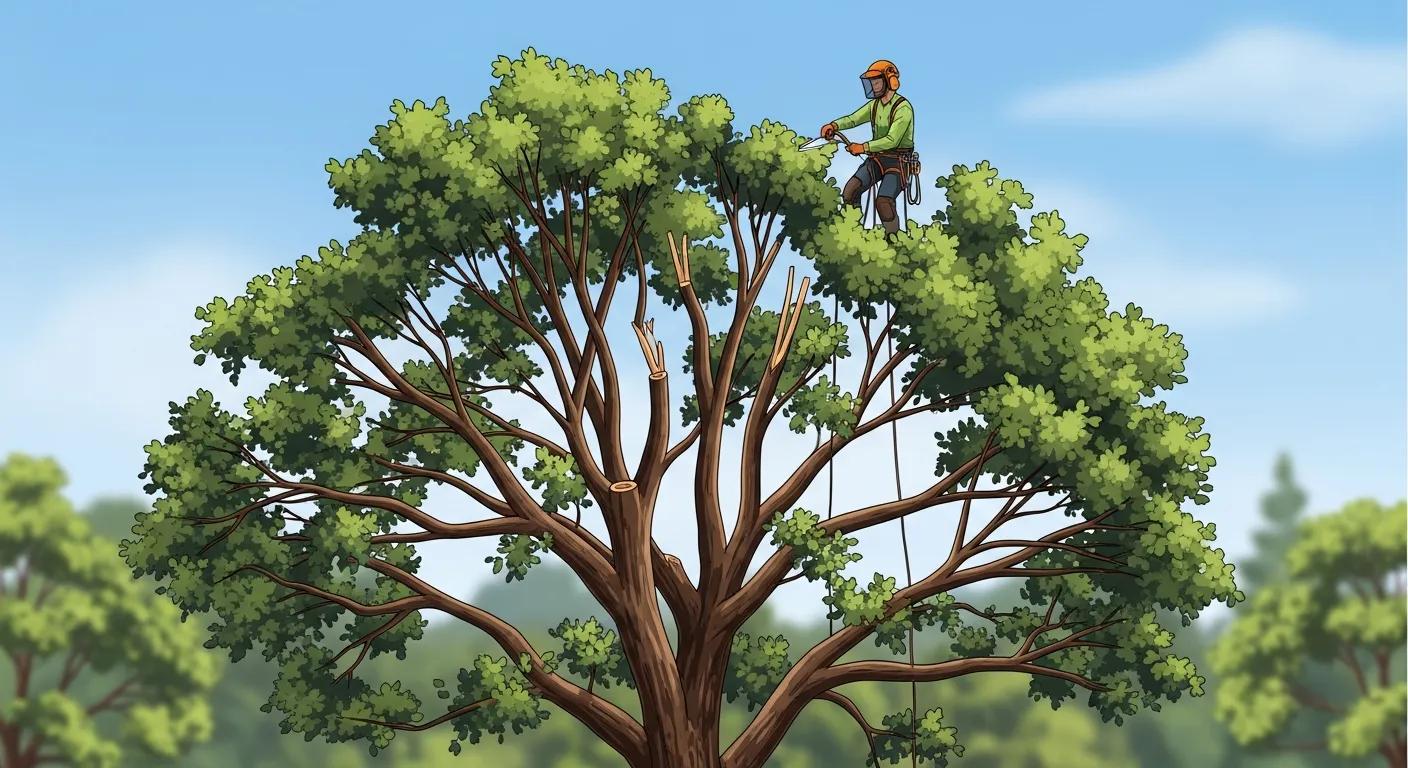
Crown reduction pruning is a vital practice for maintaining the health and safety of trees, especially in urban environments like Phoenix. This technique not only enhances the aesthetic appeal of trees but also promotes their longevity and structural integrity. In this article, we will explore the intricacies of crown reduction pruning, its benefits, and the best practices for implementation. Many property owners in Phoenix face challenges with overgrown trees that can pose safety risks and hinder growth. Crown reduction offers a solution by effectively managing tree size and shape while ensuring their health. We will cover what crown reduction pruning entails, when it should be performed, how it is executed by professionals, and the key benefits it provides to trees in the Phoenix area.
What is Crown Reduction Pruning and How Does It Benefit Phoenix Trees?
Crown reduction pruning is a specialized technique that involves selectively reducing the size of a tree's canopy while maintaining its natural shape. This method is essential for promoting healthy growth and preventing potential hazards associated with overgrown trees. By carefully removing specific branches, arborists can enhance light penetration and air circulation, which are crucial for the tree's overall health. Additionally, crown reduction helps to minimize the risk of branch failure during storms, making it a vital practice for tree safety in Phoenix's unique climate.
How Does Crown Reduction Differ from Tree Topping?
Crown reduction is often confused with tree topping, but the two techniques are fundamentally different. Tree topping involves cutting back large branches indiscriminately, which can lead to severe damage and stress to the tree. In contrast, crown reduction focuses on strategic cuts that preserve the tree's health and structure. This method encourages new growth in a controlled manner, allowing the tree to thrive rather than suffer from the shock associated with topping. Understanding these differences is crucial for property owners looking to maintain their trees effectively.
Why is Crown Reduction Essential for Tree Health in Phoenix?
In Phoenix, where the climate can be harsh, crown reduction is essential for maintaining tree health. Overgrown trees can suffer from a lack of sunlight and air circulation, leading to diseases and pest infestations. By implementing crown reduction, property owners can ensure that their trees receive adequate light and airflow, promoting healthier growth. Furthermore, this technique helps to manage the tree's weight distribution, reducing the risk of branch breakage during high winds or storms, which can occur in the area.
When Should Phoenix Property Owners Consider Crown Reduction Pruning?
Property owners should consider crown reduction pruning when they notice signs of overgrowth or when their trees begin to pose safety risks. Regular assessments can help identify the right timing for this essential service.
What Are the Signs That Your Tree Needs Crown Reduction?
Several indicators suggest that a tree may require crown reduction, including:
Overhanging Branches: Branches that extend too close to structures or power lines can pose safety hazards.
Dense Canopy: A thick canopy that blocks sunlight from reaching lower branches can hinder growth and health.
Weak Branches: Branches that appear weak or are showing signs of splitting may need to be reduced to prevent failure.
Recognizing these signs early can help prevent more significant issues down the line.
What is the Best Time for Crown Reduction in Phoenix’s Climate?
The optimal time for crown reduction in Phoenix typically falls during the late winter or early spring before new growth begins. This timing allows the tree to heal quickly and encourages robust growth in the upcoming growing season. Additionally, avoiding pruning during the hottest summer months can help reduce stress on the tree, ensuring a healthier recovery.
It's important to note that improper timing or pruning of trees with low vitality can have adverse effects, potentially exacerbating damage.
Tree Vitality & Reduction Pruning Impact However, below a vitality threshold, the area of wood discoloration was exacerbated by crown reduction pruning. Optimizing reduction pruning under electrical lines: The influence of tree vitality before pruning on traumatic responses, S Delagrange, 2021
How Does Your Arbor Barber Perform Professional Crown Reduction Pruning?
Your Arbor Barber employs a systematic approach to crown reduction pruning, ensuring that each tree receives the care it needs.
What Steps Are Involved in Our Certified Arborist Assessment?
The process begins with a thorough assessment by our certified arborists, who evaluate the tree's health, structure, and growth patterns. This assessment includes:
Visual Inspection: Identifying signs of disease, damage, or structural weaknesses.
Growth Analysis: Understanding the tree's growth habits to determine the best pruning strategy.
Safety Evaluation: Assessing potential hazards related to the tree's location and condition.
This comprehensive evaluation ensures that the crown reduction is tailored to the specific needs of each tree.
How Do We Ensure Safe, Precise Cuts and Property Cleanup?
Safety is paramount during crown reduction pruning. Our team utilizes specialized equipment and techniques to make precise cuts that minimize stress on the tree. After the pruning is complete, we conduct thorough property cleanup to remove any debris, ensuring that your landscape remains tidy and safe. Our commitment to customer satisfaction means that we prioritize both the health of your trees and the cleanliness of your property.
What Are the Key Benefits of Crown Reduction for Tree Health and Safety in Phoenix?
Crown reduction offers numerous benefits that contribute to the health and safety of trees in Phoenix.
These benefits are widely recognized, particularly in urban settings where proper tree care significantly impacts quality of life and safety.
Urban Tree Pruning Benefits: Safety & Aesthetics Trees in urban settings which receive properly pruning will improve the view and provide clearance, reduce conflict with infrastructure and buildings, reduce wind resistance and the risk Knowledge in tree pruning for sustainable practices in urban setting: Improving our quality of life, N Othman, 2016
Improved Safety: By reducing the risk of branch failure, crown reduction enhances safety for people and property.
Enhanced Tree Health: This technique promotes better light penetration and airflow, reducing the likelihood of disease.
Aesthetic Appeal: Properly pruned trees maintain a more attractive shape, enhancing the overall landscape.
How Does Crown Reduction Improve Tree Structure and Storm Resistance?
Crown reduction strengthens the tree's structure by redistributing weight and reducing the likelihood of branch breakage during storms. This proactive approach helps trees withstand high winds and heavy rain, which can occur in Phoenix. Studies have shown that well-maintained trees are more resilient to environmental stressors, leading to longer lifespans and healthier growth.
Ultimately, the core objective of crown reduction is to bolster a tree's structural integrity and enhance its visual appeal.
Crown Reduction Pruning: Structural Integrity & Aesthetics crown cleaning helps maintain the structural integrity and aesthetic appearance of the tree. The primary goal of crown reduction is to reduce the risk of branch failure and structural Pruning and Tending Operations in Silvicultural Techniques, 2025
In What Ways Does It Enhance Tree Aesthetics and Growth?
Aesthetically, crown reduction allows trees to maintain a balanced and pleasing shape, which can enhance property value. Additionally, by promoting healthy growth patterns, this technique encourages trees to develop strong, vibrant foliage. The visual impact of well-maintained trees contributes positively to the overall landscape, making crown reduction a worthwhile investment for property owners.
Why Choose Your Arbor Barber for Crown Reduction Pruning in Phoenix?
Choosing the right tree care provider is essential for effective crown reduction pruning. Your Arbor Barber stands out for several reasons.
How Do Our Certified Arborists Provide Expert Local Tree Care?
Our team of certified arborists brings extensive knowledge and experience in tree care, specifically tailored to the unique needs of Phoenix's climate. We understand the local tree species and their specific requirements, ensuring that our pruning techniques are both effective and safe. Our commitment to ongoing education keeps us updated on the latest best practices in arboriculture.
What Makes Our Pricing, Communication, and Service Unique?
At Your Arbor Barber, we pride ourselves on transparent pricing and exceptional customer service. Our communication practices ensure that you are informed throughout the process, from the initial assessment to the completion of the pruning. We value customer feedback and strive to exceed expectations, making us a trusted choice for tree care in Phoenix.
Frequently Asked Questions About Crown Reduction Pruning in Phoenix
What Does Crown Reduction Cost in Phoenix?
The cost of crown reduction pruning can vary based on several factors, including the size of the tree and the extent of the pruning required. On average, property owners can expect to pay between $300 and $800 for professional crown reduction services. This investment not only enhances the health and safety of your trees but also contributes to the overall beauty of your landscape.
How Does Crown Reduction Prevent Storm Damage and Property Risks?
Crown reduction plays a crucial role in preventing storm damage by reducing the weight of the canopy and improving the tree's structural integrity. By strategically removing branches, the tree is less likely to suffer from breakage during high winds, thereby minimizing the risk of property damage. This proactive approach to tree care is essential for maintaining safety in urban environments like Phoenix.
